

Climate pledges vs lifestyles: the storm around billionaires’ yachts
 Panama
In a time of climate urgency, an announcement of environmental funding has come under an unforgiving spotlight. When the Bezos Earth Fund revealed a new round of marine protection grants this week, the online response called into question the motives of one of the world’s richest men – and superyacht owner – Jeff Bezos. At the same time, a video of Mark Zuckerberg’s Launchpad, has been accused of reminding its viewers that ‘net zero is only for the peasants’.
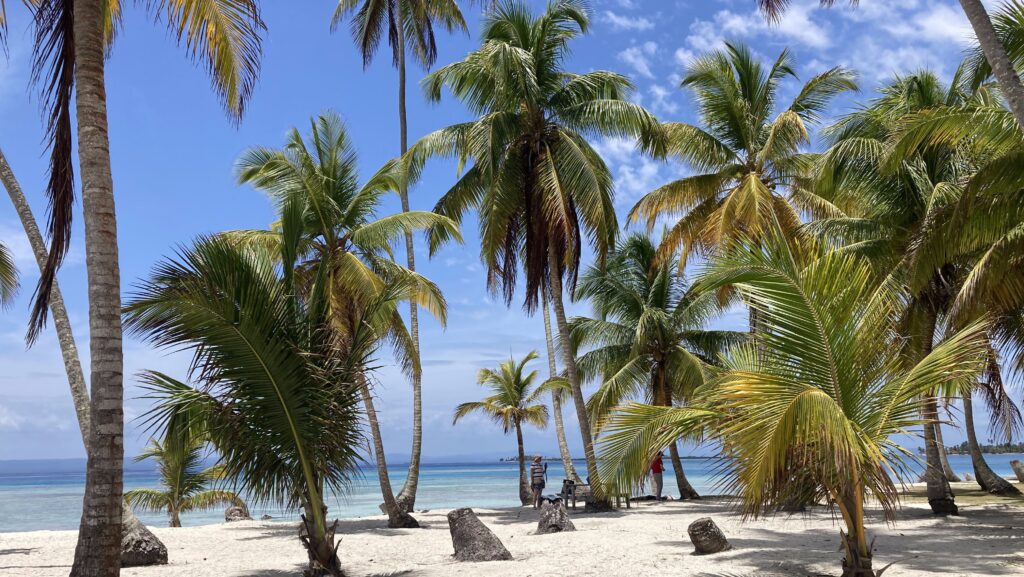
Jeff Bezos has already committed $10 billion in this ‘decisive decade’ to protect nature and address climate change, says a statement from the the Bezos Earth Fund which yesterday announced $24.5 million in grants to help protect key marine areas in countries like Costa Rica, Panama, Colombia, and Ecuador.
The money is to help park rangers, coastal communities, and local organisations protect marine areas across the Eastern Tropical Pacific with the idea being improving on-the-water safety and planning, expanding community-led protection in nursery habitats, and strengthening the science used to guide conservation decisions.
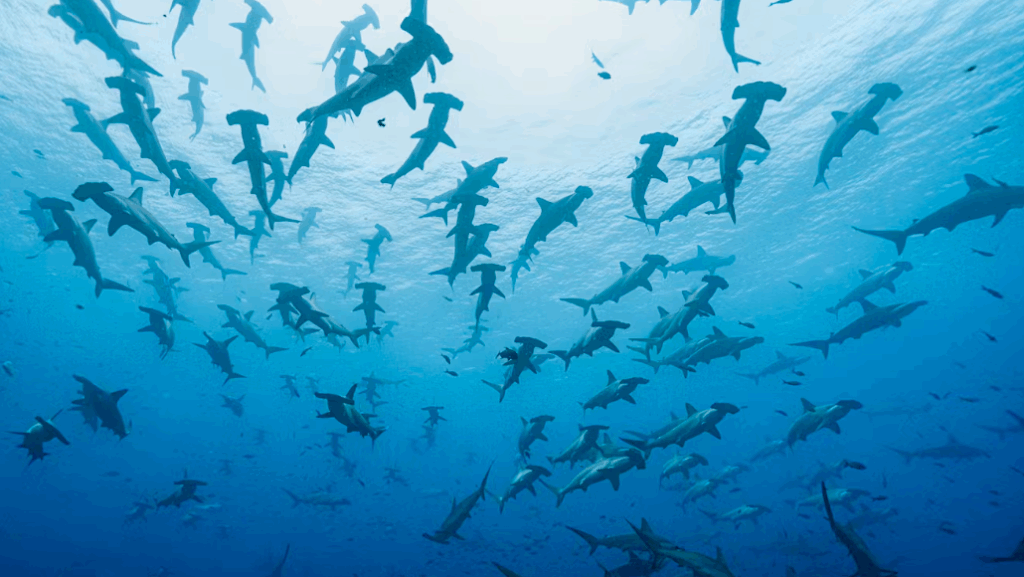
These grants nearly double the Earth Fund’s total investment in the region to more than $60 million. Since 2021, the four countries have designated more than 154,000 square miles (400,000 km²) of new marine protected areas, nearly tripling regional protection.
Bezos faces the familiar charge: climate hypocrisy
But, like his other wealthy contemporaries, Bezos is being accused of yet more hypocrisy, over and above the challenges with Amazon, the company he famously founded in 1994. He stepped down as CEO in 2021 and became executive chair of the board – he now focuses on strategy, major initiatives, and other ventures like Blue Origin (though he remains the largest shareholder).
With more than 1,000 packages shipped every minute, Amazon’s global logistics network stands as one of the most expansive supply chains in the world, says Supply Chain.
Amazon’s packaging footprint always under scrutiny
And, according to Oceana’s latest report, Amazon generated 208 million pounds of plastic packaging waste for all transactions in the United States in 2022, a 9.6 per cent increase over Oceana’s estimate for 2021. This amount of plastic, in the form of air pillows, would circle the Earth more than 200 times.
In the 2021 report, the organisation estimated that the amount of Amazon’s plastic packaging waste entering and polluting the world’s waterways and oceans in 2020, was the equivalent of dumping a delivery van payload of plastic into the oceans every 67 minutes. Amazon calls the organisation’s calculations ‘seriously flawed’.
Weddings, yachts and the optics of extreme carbon inequality
Earlier this year – during his nuptials with Lauren Sanchez – Bezos’ wedding was lambasted for having a massive climate cost. Media reports suggest nearly 100 private jets transported guests. The ‘luxury logistics’ sparked criticism that such extravagance contrasts with billionaire climate pledges, highlighting extreme carbon inequality.
And, of course, Koru – Bezos’ superyacht – came under fire. That’s a 127 metre, three-masted sailing yacht by Oceanco (and travels with support vessel, Abeona).
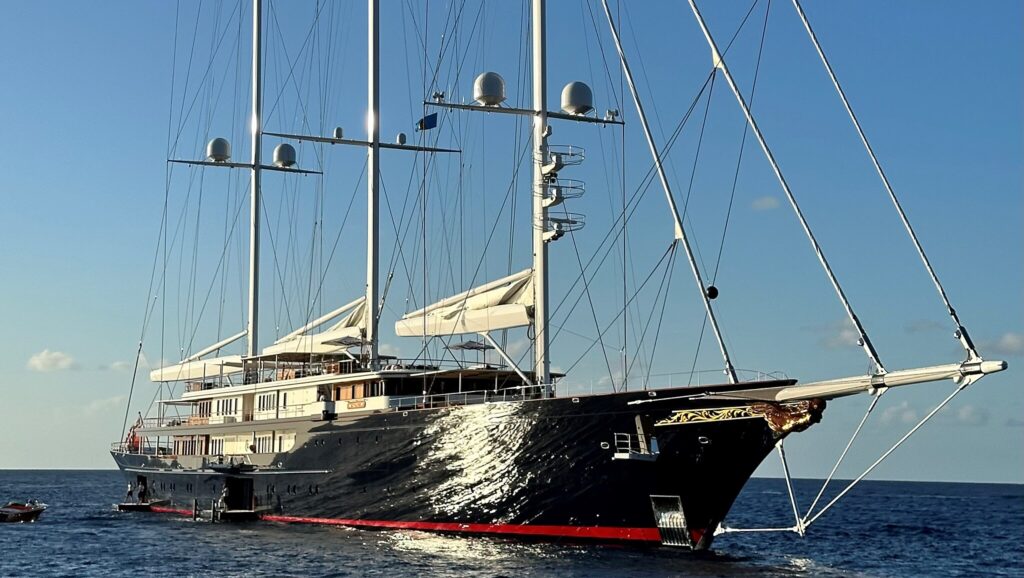
Too large for Venice, it was reportedly anchored off Croatia with guests shuttled by helicopter to the celebrations. Some reports suggest the wedding’s emissions could easily surpass 10,000 tons of CO₂. The average footprint for someone in the UK is around 12.7 tonnes of CO2e per year (according to Eco Experts), but other outlets argue it’s around 10-11 tonnes of CO2e per year (the e stands for equivalent).
Online commentators are incensed that billionaires advocate for marine conservation, and climate protections, while continuing to expand their carbon footprints, whether through their business interests or lifestyle choices. Added to that, criticism is that the money spent on the environment is never enough.
“Wow. That much money! For a man of his wealth it’s like issuing a press release because you donated $100 somewhere. That’s not even the payroll on his obscenely massive massive personal vessels he builds as monuments to himself,” says one furious commentator via FaceBook.
“$24 million might be few day’s interest to a multi billionaire. If he gave half his fortune to making the planet more livable, that would be a real gesture. This seems more like a publicity stunt, especially since it’s being broadcast to the world via social media,” another agrees.
“Well maybe he should address the issue of dumping half a million gallons of rocket wash into our ecosystem from origin blue,” says a third. Blue Origin is Jeff Bezos’ private American aerospace company, focused on building a ‘road to space’ with reusable rockets like the suborbital New Shepard (for tourism/research) and the heavy-lift New Glenn, plus lunar landers (Blue Moon). It also has an interest in space habitats with the idea that millions pf people will eventually live and work in space.
Zuckerberg’s superyacht becomes the latest climate flashpoint
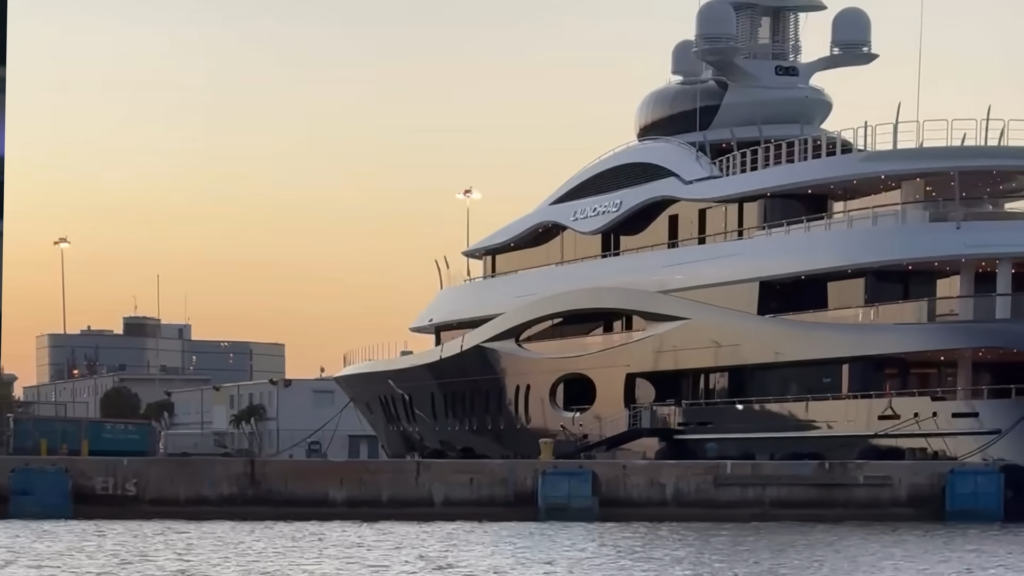
Meanwhile, Mark Zuckerberg is under fire as footage of his yacht Launchpad is being widely shared online. Speaking to thousands at a Harvard University commencement in 2017, Zuckerberg urged graduates to help fight climate change before ‘we destroy the planet‘ – he is now being accused of hypocrisy.
His luxurious 118 metre Feadship, costing around $300 million, features design by Espen Øino and Zuretti and is packed with amenities like a heliport, cinema, gym, and a large beach club. He bought it in 2024. It’s accompanied by a $30m support vessel: Wingman. Launchpad has been the subject of environmental debates due to its fuel consumption. Earlier this year it arrived at the renowned shipyard of La Ciotat in France – and sparked considerable attention.
Seemingly it burned more than 528,000 gallons (2 million litres) of diesel in nine months, releasing over 5,300 tons of carbon emissions, before docking at La Ciotat – the same yard that previously handled Bezos’ yacht Koru according to the Greek Reporter. That usage amounts to more than 5,300 tons of carbon emissions being released by the one ship alone, the same as nearly 400 US households over one year.
Public anger shared toward billionaires climate pledges
“Mark Zuckerberg, an outspoken critic of ‘man-made climate change’, shows off his new $300 million, 287-foot mega yacht, powered by four gigantic diesel engines. Another reminder that Net Zero is only for the peasants,” says one commentator on X (formerly known as Twitter).
“Meanwhile ordinary people drive electric cars and recycle, because the planet matters. But for him, apparently, the planet doesn’t matter,” says another.
There’s no question that new conservation funding is welcome news for the communities and marine life of the Eastern Tropical Pacific. Yet with their vast yachts and all that implies, Bezos, Zuckerberg and their peers face a growing call to align their lifestyles with their environmental ambitions. If they can match bold philanthropy with clean choices at sea, they may yet help chart a more credible — and sustainable — course for the planet.










Leave a Reply