Finland’s leisure marine industry outlook: cautious recovery takes shape
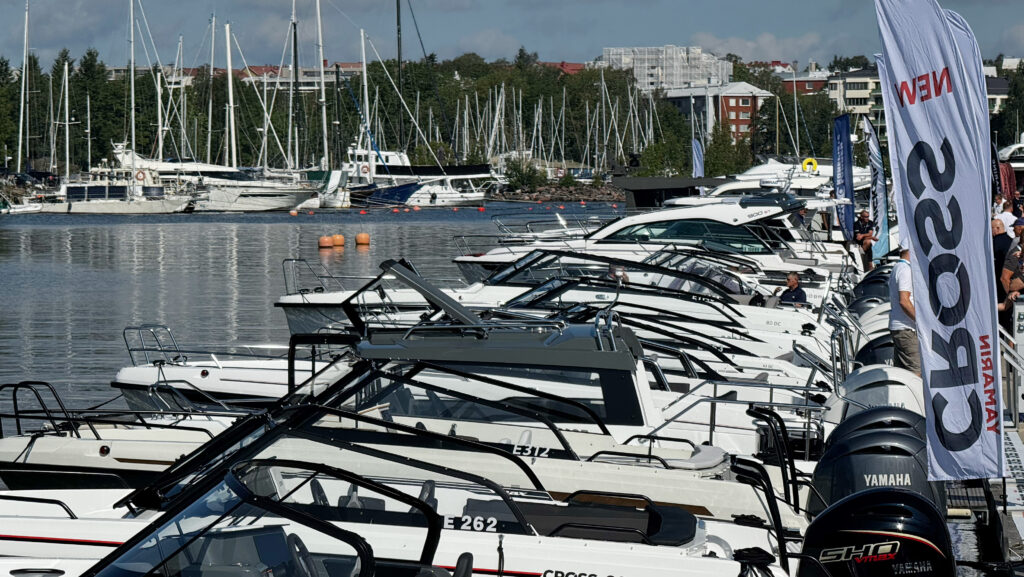
Finland’s marine industry is showing the first signs of recovery after several turbulent years marked by weakened consumer purchasing power, high interest rates and post-pandemic market distortions. While the sector is not yet in a growth phase, manufacturers, dealers and industry leaders describe 2025 as a turning point toward a cautious upward trend, driven by stabilising inventories, strengthening export markets and sustained consumer interest in boating.
From challenging years toward a modest recovery, Global Marine Business Advisors (GMBA) representatives for Finland, Juhani Haapaniemi and Elina Viitanen, discuss the outlook for Finnish leisure marine businesses.
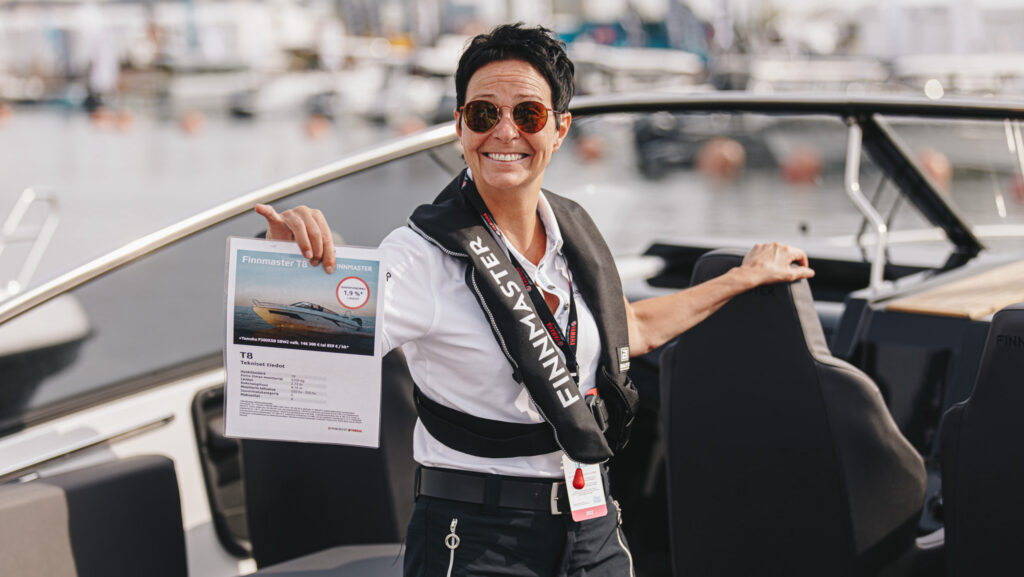

Finland’s economy is recovering slowly, though growth remains modest and structural challenges continue to weigh it down. Economic uncertainty has pushed households toward saving rather than spending. After near-stagnation, Finland’s GDP is expected to grow by 1.0 per cent in 2025 and 1.4 per cent the following year.
Consumer behaviour has been polarised: new boat sales have weakened due to declining purchasing power, yet boating itself remains highly popular – reflected most clearly in the strong rise of used-boat sales.
Jarkko Pajusalo, CEO Finnish Marine Industries Federation Finnboat, comments: “The Finnish boating industry has had some tough years after the covid boom and the decline of boat demand has been equal to many other consumer durables. First hit came from the covid hangover, then Russia started a war in Ukraine causing an energy crisis and fuelling further the already high inflation. Then interest rates were raised to tame the inflation, which affected Finnish households more than others due to our mortgage practices.
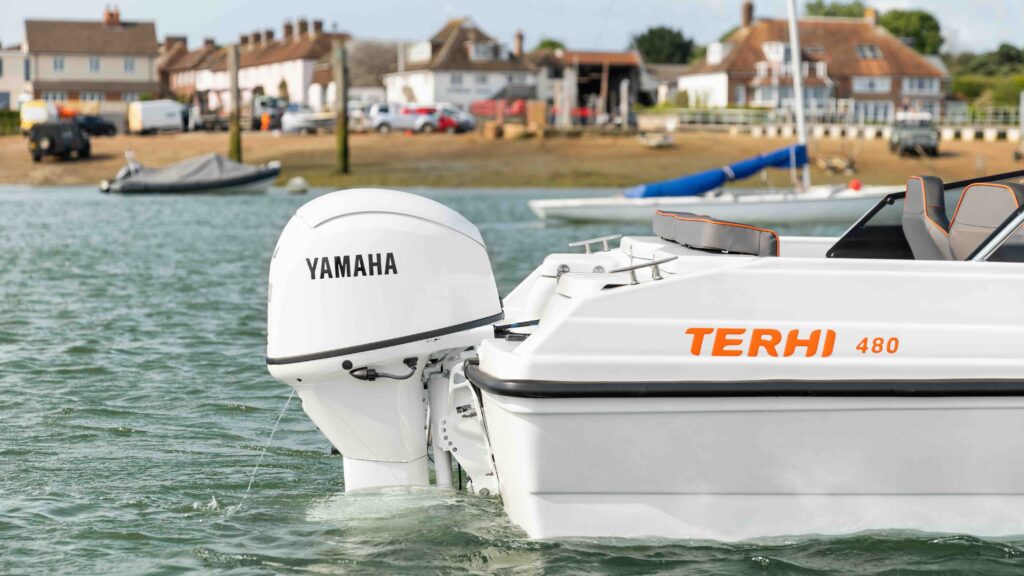
“In Q4 2025 the fear of unemployment in Finland is worse than the actual situation. The political disturbances are still high due to Russia and Middle East. President Trump has added further turbulence to trade and politics, which keeps consumers on their toes and worried about ramifications.
“The situation is and has been better with larger yachts and the demand of pre-owned boats (of all sizes) has been lively and even growing already since 2024.
“During 2025, the whole boating market has slowly started to turn towards a better [outlook]. The registered motor boat fleet is on the rise and gross deliveries are also increasing.”
Pajusalo continues: “Finnboat collects gross deliveries from its members and during the first eight months of the year they were on the rise in nearly all segments of recreational crafts and marine engines. The autumn boat shows have also given positive indications that the market recovery is taking place, so we believe that the rock bottom is already behind us.”

Domestic small boat market in Finland
Domestically, sales have concentrated heavily in the 4.5–5.5 metre category, where boat-and-engine packages around €30,000 are clearly driving the market. Consumers are leaning toward reliable, reasonably priced options that enable boating without excessive financial risk. Meanwhile, sales of 6 to 8-metre outboard boats have been slower, highlighting how price sensitivity and economic outlook are shaping purchasing decisions.
Mikael Winqvist, CEO of Finnish boatbuilder AMT-Veneet, sees the situation improving: “Manufacturing capacity has been higher than demand. Large inventories have pushed new boat production volumes down. Now inventories have finally normalised, and factory output is increasing again. The capacity to build and sell is there – but demand needs to strengthen.”
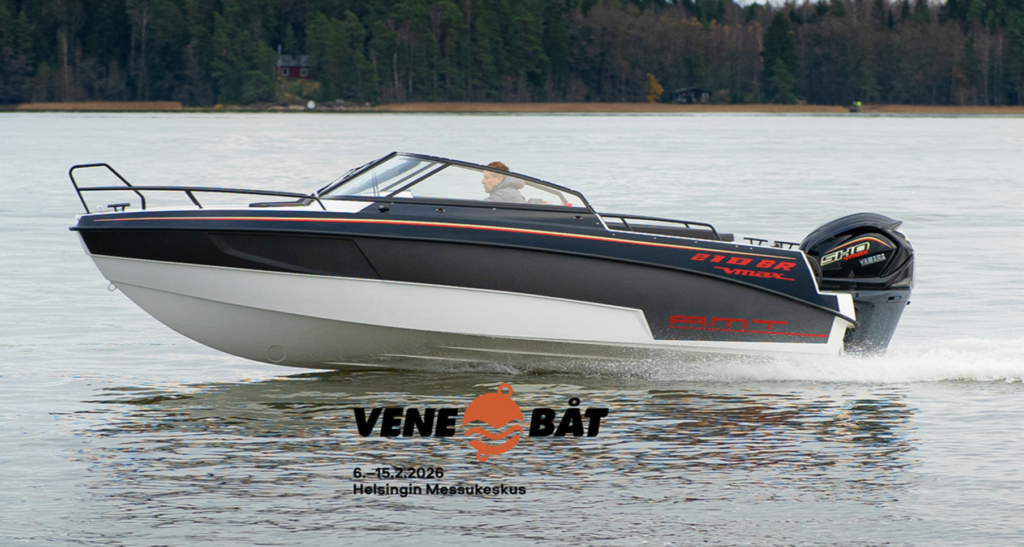
Winqvist expects 2026 to be a stable year – not yet a year of major growth, but one in which the market expands. The most significant improvement is visible in exports: Sweden and Norway have recovered faster than Finland. Challenges remain, but the tone among manufacturers is noticeably more optimistic.
Dealers and service providers – the industry’s most reliable pillars
With inventories under control, production can restart on a healthier footing, and the market can find its balance.
Markku Hämäläinen, CEO of Otto Brandt Group, summarises the situation succinctly: “Weak consumer purchasing power has been the biggest brake on new boat sales. At the same time, the used boat market is extremely active. This shows that boating itself has not lost popularity – people are simply choosing lower-risk ways to buy.”
He adds: “Repowering has become a strong trend: older, well-maintained boats are being fitted with new, lower-emission engines. For consumers, it’s a cost-effective way to improve the experience, and for dealers and service companies it generates steady revenue.
“But repowering does not renew the boat fleet in the way we would hope. It delays the purchase of new boats and keeps older ones on the water longer. It slows the industry’s growth even though consumers benefit financially. Repowering is simultaneously sensible and market restraining, depending on your perspective.”
After several challenging years, service operations have become the industry’s safety net. The long lifespan of boats ensures steady demand for maintenance, storage, lifting services, and repower projects. This trend makes service and aftersales the most stable revenue stream going forward, especially as DIY culture continues to decline and consumers increasingly purchase convenience.
Electric boating – technology advances, but the market will not shift rapidly
While electrification has become a central topic in the European marine industry, Finland approaches the discussion with justified pragmatism. Boating habits, vessel sizes, and use cases do not yet allow for widespread adoption of electric propulsion.
Electric solutions will grow and find their place, particularly in small and lightweight boats, but they will not transform the Finnish market overnight.
Interviewees share an unusually consistent view of the future. 2026 is expected to be the first true stabilisation year, marking the start of recovering consumer confidence. 2027 is seen as a return to a more normal market, and toward the end of the decade growth could accelerate – assuming macroeconomic conditions remain favourable.
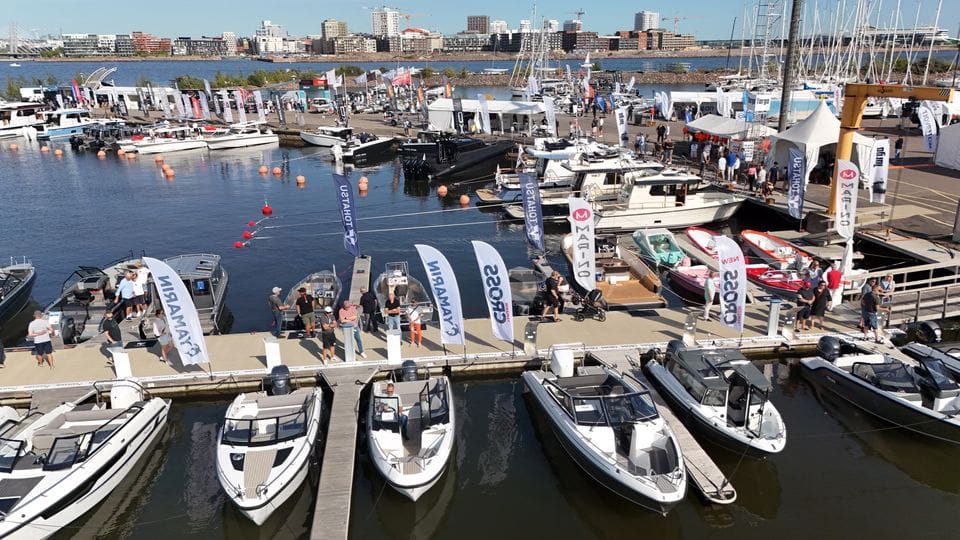
Growth is expected to strengthen through several parallel developments. Steady technological advancement is shaping new opportunities, while services that make boating more convenient are becoming increasingly influential in consumer decision-making.
At the same time, the modernisation of harbours is improving infrastructure and elevating the overall user experience. The parallel development of combustion-engine and hybrid technologies offers realistic solutions for different boating needs, and the demand for well-equipped fishing boats and day cruisers continues to rise. Together, these factors form a solid foundation for gradually accelerating market growth.
Finland’s strength: a major boatbuilder in a small country
Finland remains one of the world’s largest boatbuilding nations relative to population. Strong industrial heritage, skilled labour, and export-driven brands make Finland a far more significant player than its size suggests. The industry’s development therefore carries real economic weight – making the signs of recovery especially encouraging.
The Finnish marine sector is standing at the threshold of a new cycle. Inventories have normalised, export markets continue to strengthen, and domestic consumer caution is slowly easing. Strong demand for used boats and robust service operations provide a solid foundation on which new growth in boatbuilding can be built.