
How Italian yacht builders balance heritage, engineering and global demand
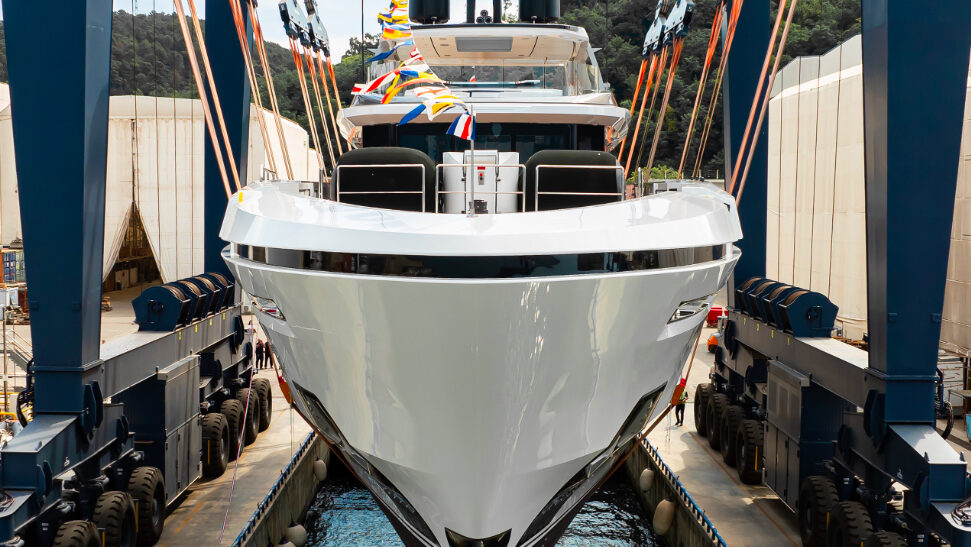 Baglietto’s Dopamine
Italy accounts for an outsized share of the world’s luxury yacht market, with prestigious brands producing everything from handcrafted inflatables to superyachts.
Boatbuilders answer as much to heritage as to market demand, aware that each vessel carries the yard’s name into the future. MIN visits northern Italy to discover whether engineering can produce great beauty.
Balancing tradition with technology
Some might argue that modern production makes yachts technological rather than artistic, but tradition and innovation are not opposites. Italian builders push boundaries in hull design, materials, and performance, using lightweight composites and custom engineering.
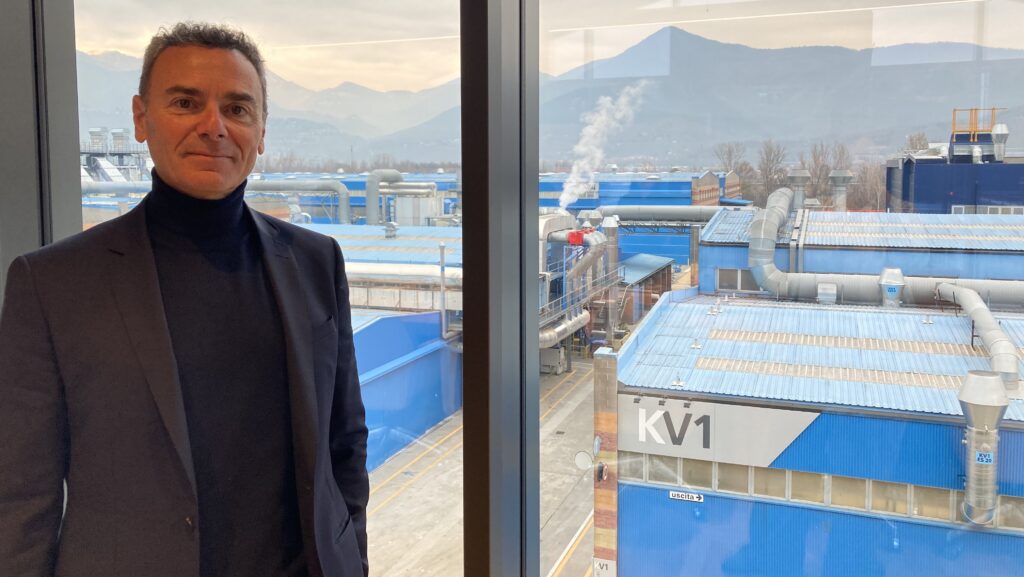
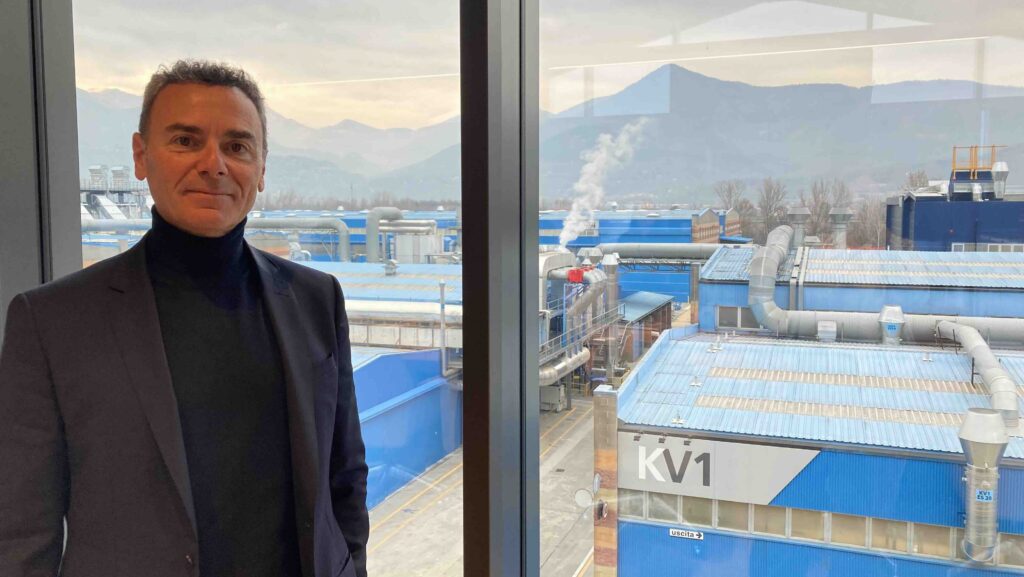
At Azimut-Benetti’s Avigliana facility at the foot of the Alps, two forms of production are combined within the plant: the manufacture of GRP components and the assembly of complete Azimut Yachts. Large hulls are vacuum infused in a single operation, allowing gelcoat to be applied directly in the mould, so exteriors emerge finished – the smooth, gleaming coat requiring no reworking.
The process has evolved to incorporate carbon fibre alongside glass fibre. Carbon is used in the upper parts of the boat to reduce weight above the centre of gravity, improving overall stability, with all boats now using this mixed-material approach.
Interiors, machinery, furniture, and systems are fitted during assembly while the hull remains open. Painting is now done on site, so boats leave Avigliana fully finished and tested.
But, because the facility is inland, each vessel is engineered to be partially taken apart – typically by separating the upper structure from the hull – ready for transport by trucks, via tunnels through mountains. There the sections are reassembled prior to sea trials.
Training and passing on skills
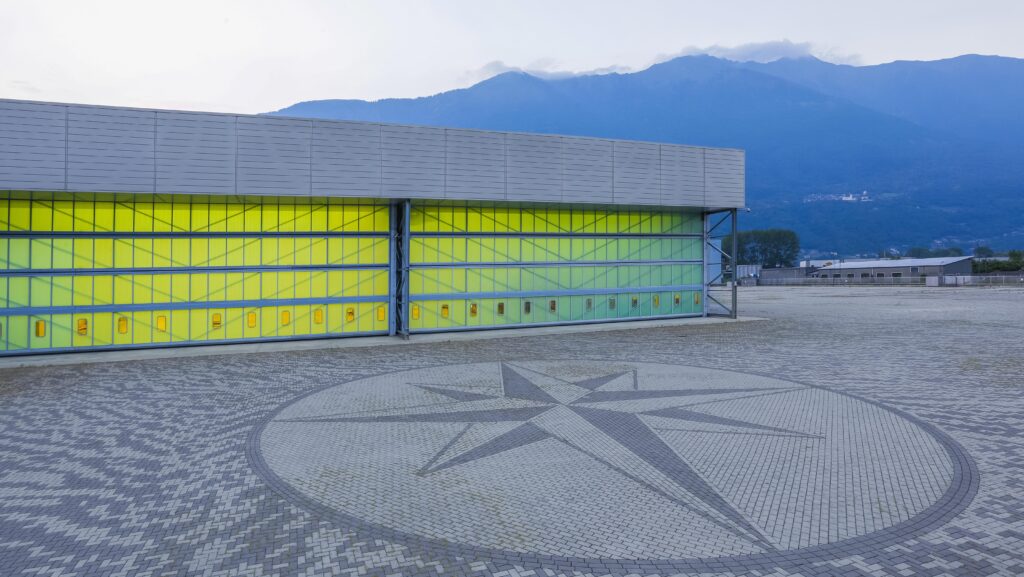
Similarly, Cranchi is tucked into the mountains. Here training and the transmission of knowledge across generations is essential to the company’s approach – like masters sharing knowledge with apprentices. Family members learn directly within the company through prolonged, hands-on experience alongside older generations.
This emphasis on ‘learning by doing’ is institutionalised in the Cranchi Academy, where new employees train for up to a year before working on finished boats. The academy is described as a response to both increasing technical complexity and a perceived loss of practical skills among younger workers.
Training takes place on pre-assembly benches rather than inside completed hulls to allow mistakes to be observed, corrected, and understood. At Cranchi, boatbuilding is framed as a craft sustained through continuity and the preservation of accumulated expertise.
Customisation is part of commercial success
Like fine art, which has a history of being commissioned, patron-funded, and market-dependent, superyachts are more than status products.
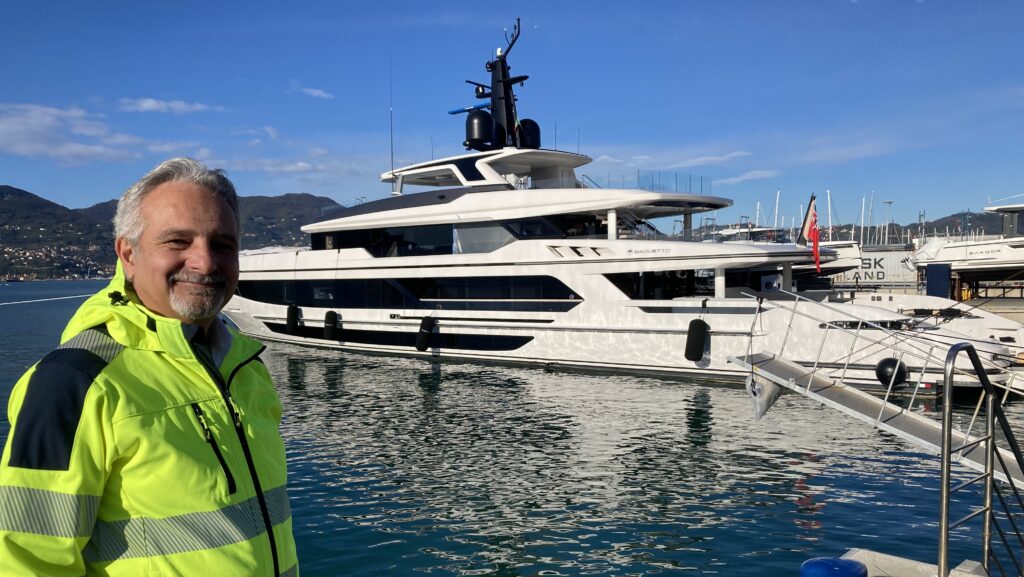
At Baglietto, building yachts is a matter of passion. Customisation is central to the product and although the company operates within defined ‘lines’, no two boats are ultimately the same. Owners may request customisation changes during construction and revise layouts multiple times. While this can create complexity, it delivers client satisfaction and is a defining difference from higher volume or more standardised builders. The ability to adapt each yacht to an owner’s physical needs, lifestyle, and evolving ideas is the very reason its clients choose the yard.
Baglietto’s approach is enabled by the shipyard’s deliberately small scale, its limited number of annual deliveries, and its long-standing relationships with trusted suppliers and specialists.
Partnerships and collaboration
The partnership between Cantieri di Pisa and the Mariotti Group is a collaborative model in which yacht building is understood as a form of collective creation rather than the output of a single yard.
The alliance is a deliberate combination of complementary skills, with Cantieri di Pisa managing client relationships, customisation, luxury standards, and quality control, while Mariotti provides the industrial shipbuilding capability required for vessels over 70 metres.
Each company will focus on its own area of expertise, allowing design intent, technical execution, and construction quality to remain aligned as projects increase in scale.
Both repeatedly emphasise flexibility, particularly in working with different designers and in selecting suppliers, who are framed as long-term partners rather than interchangeable vendors. Thus, large yachts will not be treated solely as industrial products, but as complex objects whose final character emerges through coordination, shared decision-making, and the careful integration of craftsmanship, design, and engineering across organisational boundaries.
Design as identity
Design is described as one of SACS Tecnorib’s core pillars and a key means of differentiation within the maxi-rib sector. Its boats are testament to how Italian design culture collapses the boundary between emotional expression and function.
Its long-standing collaboration with studio Christian Grande focuses on style and product identity in a segment often driven by technical considerations. Each product line is said to have its own distinct DNA to avoid overlap and internal competition.
SACS repeatedly stresses balancing design ambition with industrial efficiency – think maintaining lead times, production flow, and competitiveness. This means some design and layout choices are pre-engineered within the production system, allowing variation without requiring structural rework. Thus, design works within clearly defined operational boundaries.
Seeing boats as art
Tankoa Yachts sees each vessel as a unique work of art. The company is working with different designers in order to catch clients’ eyes. This philosophy ensures that even yachts of the same base size are strikingly individual.
Collaboration with multiple designers allows Tankoa to combine technical innovation with creativity, giving each yacht a distinct personality tailored to its owner’s vision.
Across these shipyards, vessels emerge not merely as engineered machines but as embodiments of skill, imagination, and human expression. Every detail reflects a dialogue between tradition, innovation, and the owner’s vision and reveals the artistry of those who made it – even if it lives in the realm of engineering rather than culture.












Leave a Reply