IMarEST expands into China with new Ningbo office

The Institute for Marine Engineering, Science and Technology (IMarEST) has opened its Foreign Non-Governmental Organisations (FNGO) Representative Office in Ningbo, China.
Achieving FNGO status grants IMarEST the regulatory permission to operate in China. It enables the institute to work more closely with national and regional authorities, organise training and technical events, and extend access to its global professional network.
The launch in Ningbo – the world’s busiest port by cargo tonnage – was attended by IMarEST chief executive Chris Goldsworthy and professor Wang Yuhong, the institute’s representative in China.
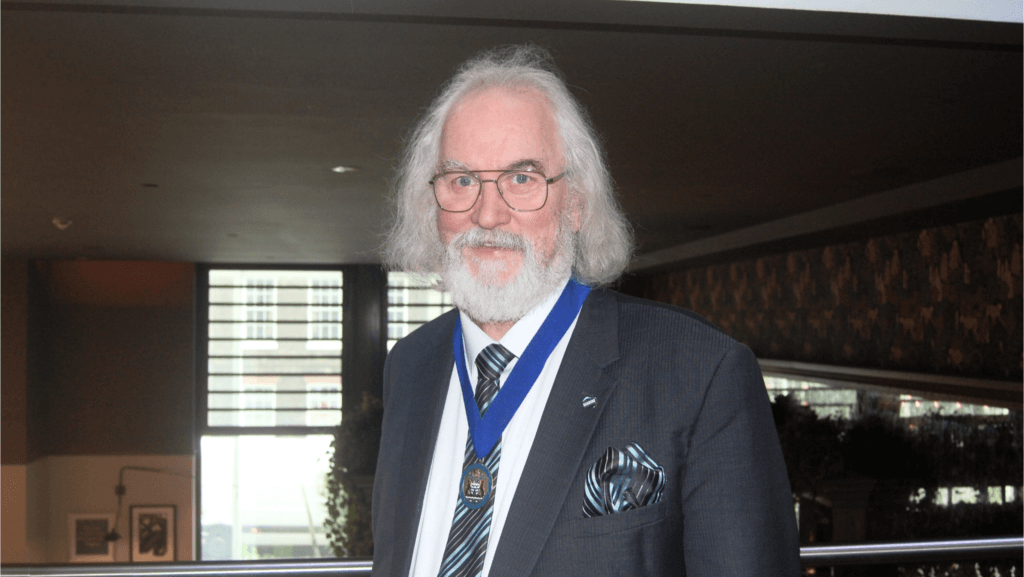
The event highlighted the IMarEST’s intention to support knowledge exchange, encourage consistent professional standards, and strengthen China’s engagement in global discussions on marine safety, sustainability and governance.
The new representative office will prioritise four key areas. Firstly, it will be a hub for marine knowledge exchange, delivering workshops and lectures. It will also connect universities and industry with IMaEST’s global resources to support professional development.
The office will facilitate collaboration in fields such as green shipping, technology development and decarbonisation. Finally, it will support Chinese experts to contribute to international debates and standard-setting processes.
Professor Wang Yuhong, the IMarEST’s representative in China, comments: “The IMarEST offers an international platform for collaboration across industry, academia, and regulators. By establishing a representative office in China, we aim to bridge knowledge gaps, cultivate marine professionals, drive innovation, and empower China’s role in global maritime governance.”
Chris Goldsworthy (who was appointed CEO of IMarEST in 2024) adds: ”Our new representative office, based in Ningbo, will support marine professionals across China, working in engineering, science and technology. Together with our Chinese partners, we aim to strengthen training, marine research, the engineering profession, and industrial innovation.”