Interview: Why Cranchi Yachts reset its strategy for a new generation of buyers
After years of market shocks, shifting buyers and internal soul-searching, Italian yacht builder Cranchi made a decisive reset — refocusing on identity, quality and long-term partnerships to secure its future.
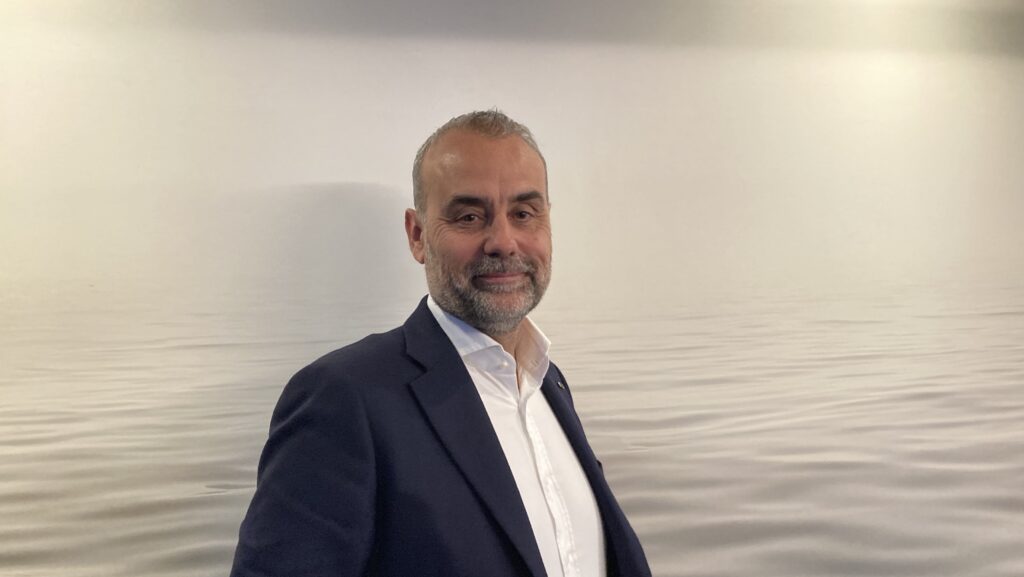
“We said, ‘OK, stop. We have to reset everything’,” explains Guido Cranchi, the firm’s CEO, who has led the company for 33 years. He joined at 19, skipped university and grew up “with fibreglass”. Today, he’s seeing one of the most deliberate brand resets in the company’s 150-year history come to fruition.
Controlled growth through selective global partnerships
Currently 80 per cent of Cranchi’s sales are exports (with strong markets in Dubai, Australia, Turkey and more) but, at 20 per cent, Italy remains its most important single market.
Cranchi sells exclusively through dealers worldwide and trains them in service.
Now it’s looking to the Unites States as one of its most strategically important priorities and has carefully developed a new dealer network across Florida, Chesapeake, Illinois and Oregon, with further expansion planned.
The company cut ties with previous US dealers “in a good way” about a year and a half ago, explains Guido Cranchi. The company’s significant growth meant it needed dealers who could grow with the company – and properly transmit its values to clients. After researching and meeting many potential partners, it selected dealers with family backgrounds and strong values similar to its own.
“We cover almost all the US now,” he says. Although the opportunities are still there for new partners in different areas, Cranchi has taken its time to build its network with careful consideration, which means it expects great things to come.
“It takes time to build the market, to rebuild your image, to be reliable to people. That’s why we choose people who were present in the market for a long time – clients know about these dealers.”
“OK, stop”: the moment Cranchi hit reset
This is (almost) the culmination of a ten-year strategy to help rebuild the company. Like many, it suffered in 2008’s global financial crisis. The defining moment in Cranchi’s modern history came after that prolonged market challenge.
“The crisis in the nautical market was very long, and it was very, very, very tough.”
During 2008’s fallout, Cranchi was forced to focus on markets where it was stronger and abandon others. During this period, it struggled with its product strategy – first trying to build high-quality but cheap boats, then raising prices but finding the product wasn’t attractive enough.
The company’s leadership made a decisive decision in 2015.
“We said, OK, stop. We have to reset everything.”
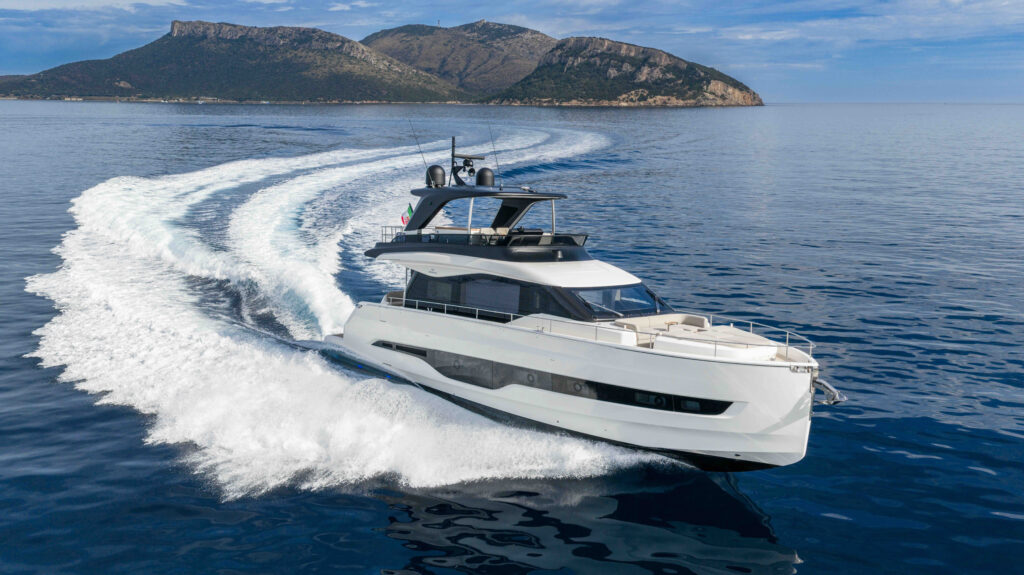
With designer Christian Grande, it marked the launch of the new Cranchi, with a fresh product direction.
The reset effectively meant a complete repositioning toward the upper end of the market, supported by new design collaboration and a long-term product roadmap with the focus remaining on quality, and the price to match.
From pandemic highs to a more disciplined yacht market
Now, after the pandemic created “crazy” demand that the company couldn’t fully satisfy, the market is returning to 2019 levels.
As the global yacht market cools from those highs and buyers become more selective, Cranchi’s approach reflects a broader shift in luxury marine.
Customers are more careful when buying, checking more details and wanting an experience beyond just purchasing a boat. They want contact with the shipyard and a luxury experience similar to buying a Lamborghini or Ferrari, explains Guido Cranchi.
The company hasn’t increased prices despite inflationary pressures in the last year and a half, focusing instead on quality and service to build customer loyalty.
“Price is not so important, most important is quality and quality of the service … price is the last one.”
He cites customers remaining in the Cranchi family as proof of quality.
From €110m to €30m — and back again
Recovery from the company’s “difficult moment” in 2008/9 (it had just invested €60 million in a new factory to produce larger boats up to 83 feet, and then the financial crisis hit) is one of his proudest moments.
The company’s turnover had dropped from €110 million to €30 million. But the 2015 plan (completely changing Cranchi’s identity to move upmarket and elevating the brand name to match the product quality), means the company’s returned to its previous position.
“We are back more or less at €100 million turnover.”
One brand, different buyers: the US versus Asia
It’s been hard work, but the company’s pleased with its successes and is now looking at the changing factors in the market, such as buyer behaviour – specifically, no longer buying just a ‘product’.
“They want to live an experience,” says Guido Cranchi.
Helping to sell the experience, the company is adapting its story by region. “In the US, Cranchi concentrates on helping dealers explain the brand.” The focus is on brand storytelling and dealer alignment.
But in Asia, where emerging markets are viewed with cautious optimism, education is more technical and operational. “People in Taiwan have a lot of money and want to explore the boating world,” but have less generational experience in boat handling. This means Cranchi helps dealers understand how the boat should be driven, so that knowledge can be passed along.
“It’s not just under the responsibility of the dealer; it’s our responsibility. It’s essential that we are right behind them.”
Family ownership and long-term leadership at Cranchi
Guido Cranchi, who’s been in his role for 33 years, started working for the company at 19 instead of continuing his university studies.
“I grew up with fibreglass,” he says.
Cranchi’s is now into its sixth generation of family members (there is also private investment into the company). Although the nine family members strive to avoid it, by dessert time at family dinners, the conversation inevitably turns to work.
Cranchi’s story is not one of rapid expansion or aggressive consolidation, but of deliberate reinvention. By prioritising product integrity, dealer relationships, technological investment and family governance, the company is positioning itself for sustainable relevance in a volatile global yacht market. As Guido Cranchi summarises: “We are still alive … we still have a lot of things to do.”
Find out more about Cranchi’s motor yachts and powerboats on the company’s website.
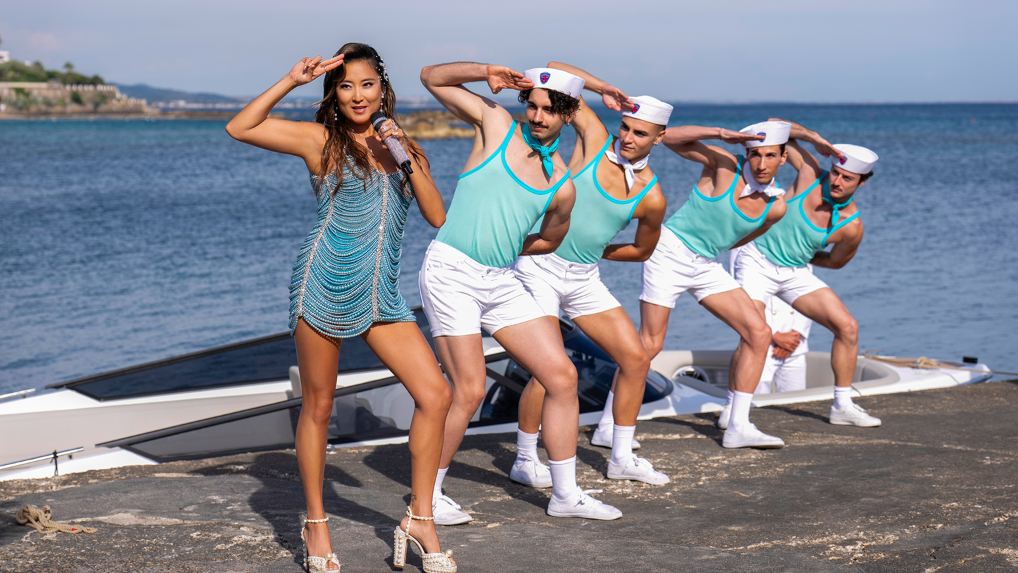
Cranchi gets role in Netflix series
Casual Netflix viewers may not realise it, but millions have already seen a Cranchi boat. As Emily in Paris moves to Rome, the E26 Rider appears on screen – a subtle signal of how the brand’s contemporary identity now travels far beyond the marina.
The show is one of Netflix’s key global franchises, which can only help underpin Cranchi’s expansion strategy.