
Italian marine businesses discuss markets amid global trade uncertainty
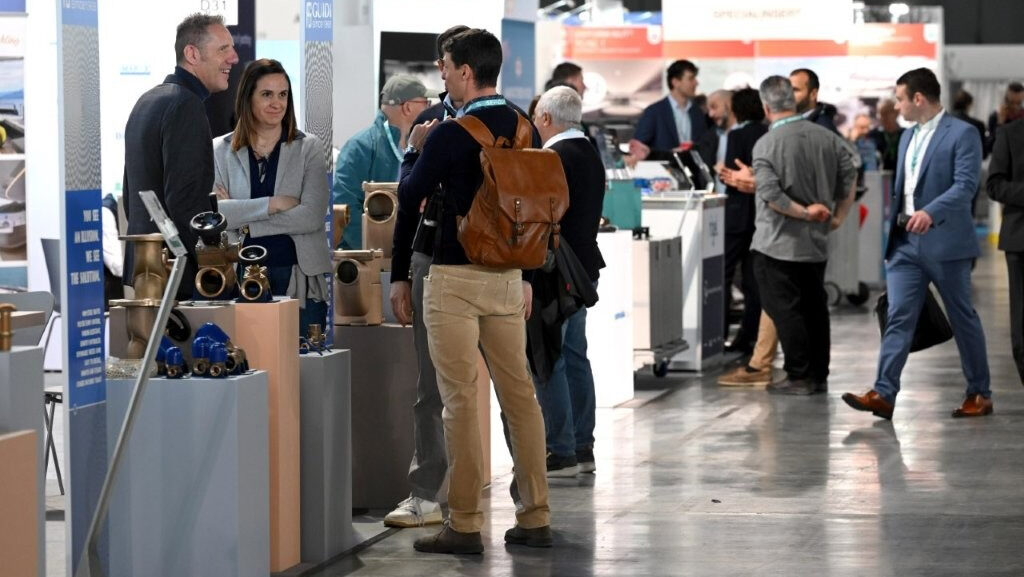 Seaquip (Mediterranean Yacht and Marine Equipment Trade Fair) is a specialised B2B event for the yachting and marine equipment sector, held in Milan, Italy
Content from this article was originally published in MIN’s Seaquip special edition under the title: Measured growth to replace the boom (and printed prior to the latest political upheaval).
International markets continue to drive growth and define Italy’s global standing, while a relatively stable domestic base – broadly in line with wider European conditions – provides continuity.
MIN sits down with nine manufacturers and suppliers to discuss short-term disruption, diversification and long-term competitiveness.
Disciplined growth
The export market is “resilient but uneven” says Andreas Karlsen, CCO of Quick Group.
“Demand is still there, especially in higher-value segments, but purchasing decisions are slower and more selective than in the past two years.
“Geopolitical uncertainty, interest rates, and logistics costs continue to influence timing rather than outright demand. Italian manufacturers with strong brands, proven reliability, and international service networks will continue to perform better than the average. In short: exports won’t collapse, but growth will be more disciplined and less speculative.”
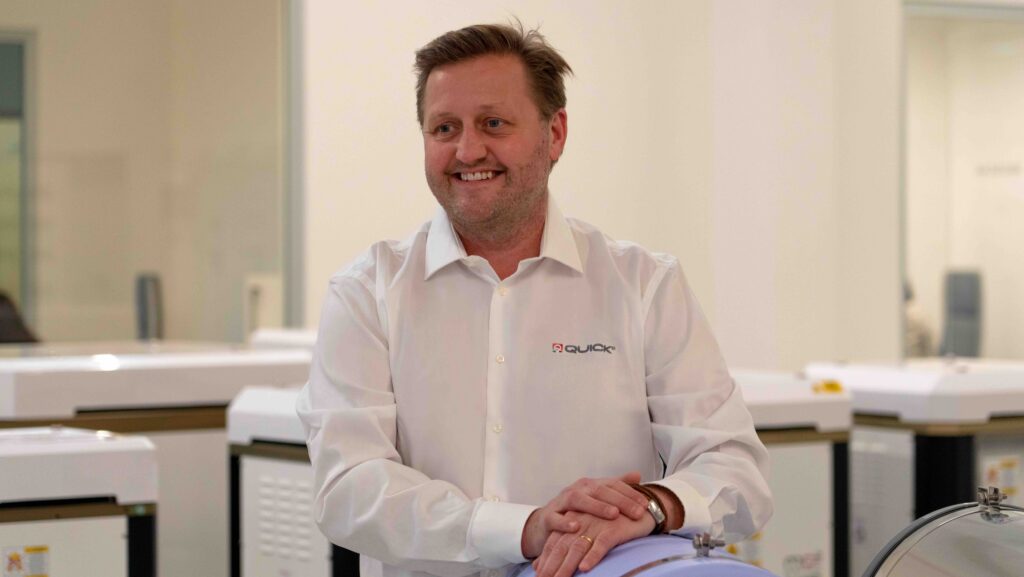
Karlsen says Quick’s currently facing the challenge of managing uncertainty without losing momentum.
“Markets are more cautious, customers are taking longer to decide, and forecasting is harder than during the postpandemic boom. The challenge is to stay agile – protecting margins, controlling costs, and keeping the organisation focused – while still investing in products, people, and service. Overreacting would be as risky as underreacting.”
Export resilience underpins cautious optimism for 2026
Italian boating is a global benchmark in the leisure sector says Giorgio Besenzoni, CEO of Besenzoni (pictured).
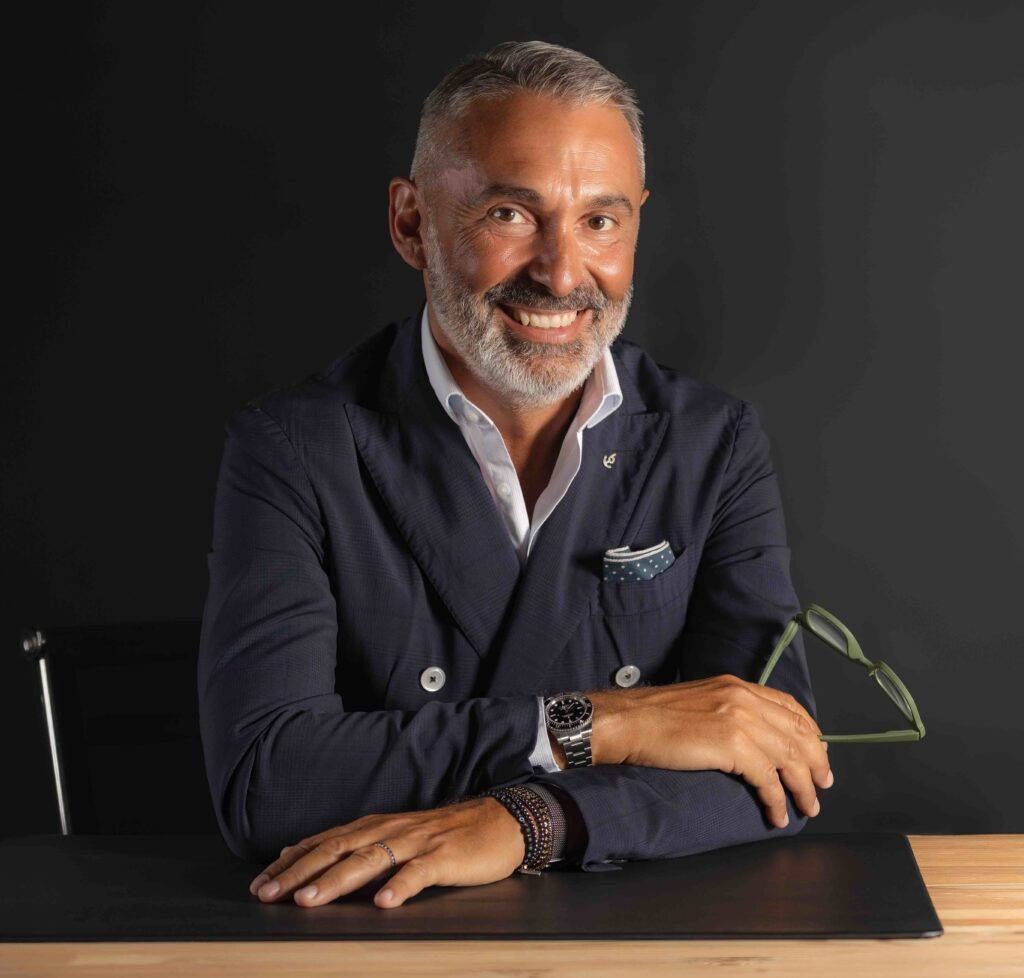
“We believe that if, and when, the global scenario manages to regain a stable balance – albeit within a profoundly renewed framework – the Italian nautical industry will have significant room for further growth.
“In this perspective, new and important opportunities will emerge, driven by the know-how, design excellence, and innovative.”
Hopes for stability and positive outlooks
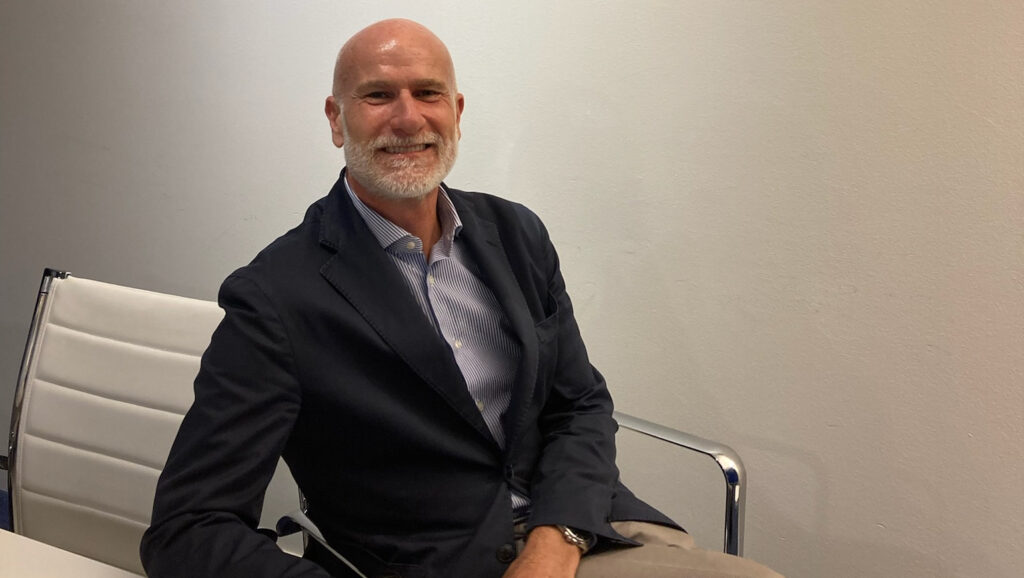
At the same time, Daniele Guidi, quality & sustainability manager for Guidi (pictured below), is looking for a year of stability. “The Italian marine industry remains strong, and by ‘industry’ I mean both boatbuilders and marine accessories manufacturers, including companies like ours.”

Guidi produces water strainers, safety intake non-stick valves, thru-hulls, seacocks, fittings and hydraulic accessories for boating.
“The feedback we continue to receive from the market is positive, our products remain attractive, and the drive for innovation has never stopped. Even at the latest boot in Düsseldorf, we received clear confirmation that Italian companies are ready to face new challenges and continue to play a significant role in the global market.”
Marco Donà, CEO of Saim, reflects that 2026 will feature a more positive outlook. Representatives of several major Italian manufacturers told him (at boot Düsseldorf) that 2026 looks set to be “less critical” than 2025.
“Uncertainty in the US market remains high, but let’s say that last year’s events have consolidated, and producers have responded immediately, diversifying their products (already underway for several years) and international markets.
“Despite a fierce battle over end-user prices, I believe this year’s results are actually better than expected.”
USA and custom duties
Predicting market evolution in the short term remains a challenge. The geopolitical landscape inevitably impacts the economy and, consequently, the industry, notes Marcello Veronesi, Cantiere del Pardo’s CEO.
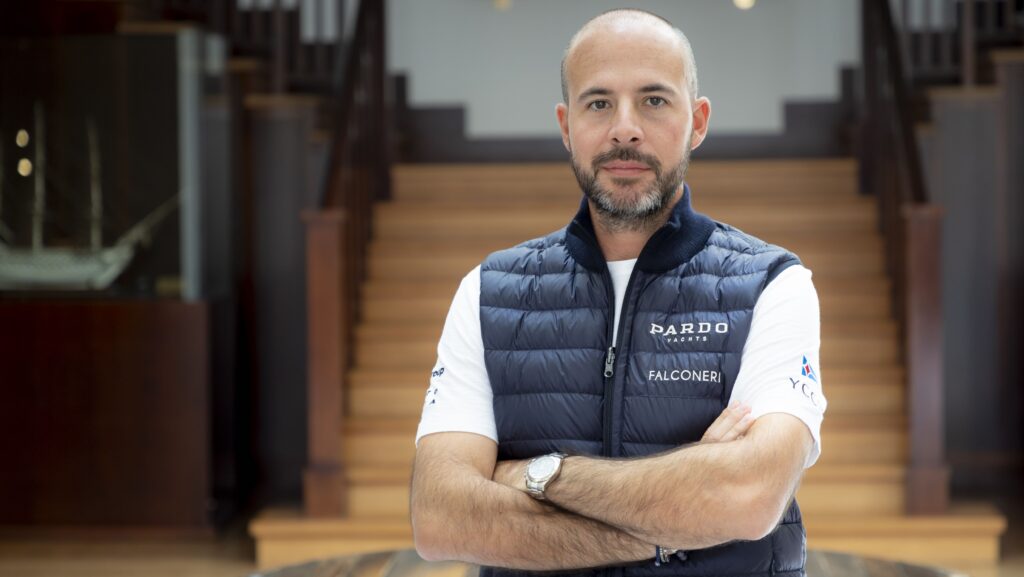
“It will be crucial to monitor developments in the United States regarding customs duties – a significant factor for our vessels.” Any increase would substantially raise the final price for customers in what he describes as a “vital” market.
So Pardo’s exploring new markets – an essential strategy to offset fluctuations elsewhere. Veronesi is “striving to make our sales network as widespread and capillary as possible”.
Valentina Procopio, marketing and communication manager at Cantieri Aschenez expects the Italian export market to remain a world leader thanks to its manufacturing excellence.
“In the short term, however, it may experience a slowdown in small boats sales ([the] slowdown already began some time ago) and a general decrease in demand even for superyachts, which could lead in some cases to a decrease in turnover.”

Sales of vessels under 30ft
Donà says a broad-based market recovery is expected to begin in 2026-2027, driven by renewed consumer confidence and changing ownership models.
“The end customer’s approach to the recreational boating market is changing radically and we need to adapt to this new approach of co-ownership, timeshare or chartering through an easy-to-use, sustainable and technologically advanced boat.”
He adds that while the smaller boat segment is currently struggling, vessels under 30ft are expected to see the fastest growth after 2026, driven by innovation, sustainability initiatives, and the rise of sharing platforms and charter companies, while “the superyacht segment remains the most resilient one, with growth expected to be five to ten per cent in the premium and large yacht segments”.
Positioning for growth
With renewed confidence in the market for 2026, growth forecast for sub-30ft vessels and continued faith in the Made in Italy brand, new opportunities are emerging.
Veronesi is looking to broaden Pardo’s offering: “Our primary objective for the coming years will be to expand our product range, ensuring a consistent line-up to satisfy all our customers’ requirements in terms of footage.”
The goal aligns with the company’s ongoing commitment to further enhance the quality of its vessels. “These are two objectives that will allow us to strengthen our relationship with our existing clients and acquire new ones.”

Similarly, Gianni Zucco, co-founder of HP Watermakers, plans to continue investing in technology and expanding the company’s service network. “Furthermore, the synergic cooperation with complementary companies in the industry, helps us all to get involved in long term decision process of the worldwide boating industry.”
Daniele Guidi says his company “sees interesting opportunities for further growth in the Far East.
“Countries such as China, Taiwan and Vietnam are actively developing their marine sectors, and we are supporting them during this phase. The recent EU–India agreement could open new possibilities, and we hope the same will apply to Mercosur and the South American market. We remain optimistic, with a positive outlook and a truly global perspective.”
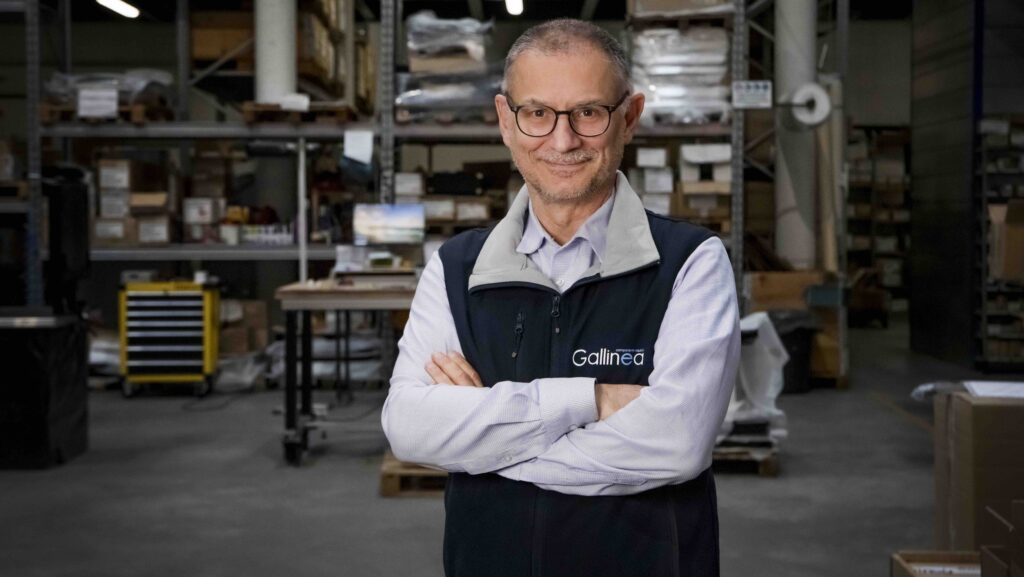
Andrea Gallinea, owner of Gallinea, is also looking to explore new sectors of the market with an integrated product and support service.
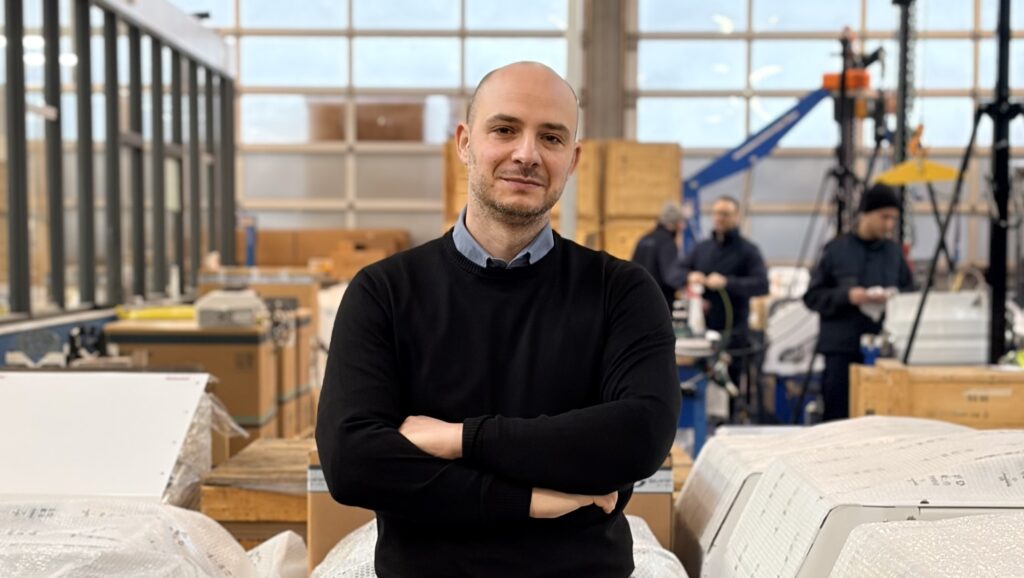
Meanwhile, Alessio Loguercio, Smartgyro’s MD, says the company’s looking at structured growth across both Europe and the United States, with a strong focus on developing long-term partnerships with leading OEMs and boatbuilders. “Stabilisation is increasingly becoming a standard feature rather than an optional upgrade, and shipyards are looking for solutions that combine performance, reliability, and ease of integration.”
Taken together, the picture that emerges is not one of short-term volatility, but of an industry comfortable playing the long game. From evolving ownership models and service-led innovation to a continued focus on quality and collaboration, Italian boating shows resilience built over decades. As global demand recalibrates, ‘Made in Italy’ looks set to remain essential to the future of leisure boating.








Leave a Reply