Marine firms rethink hiring as flexible workforce models reshape the sector
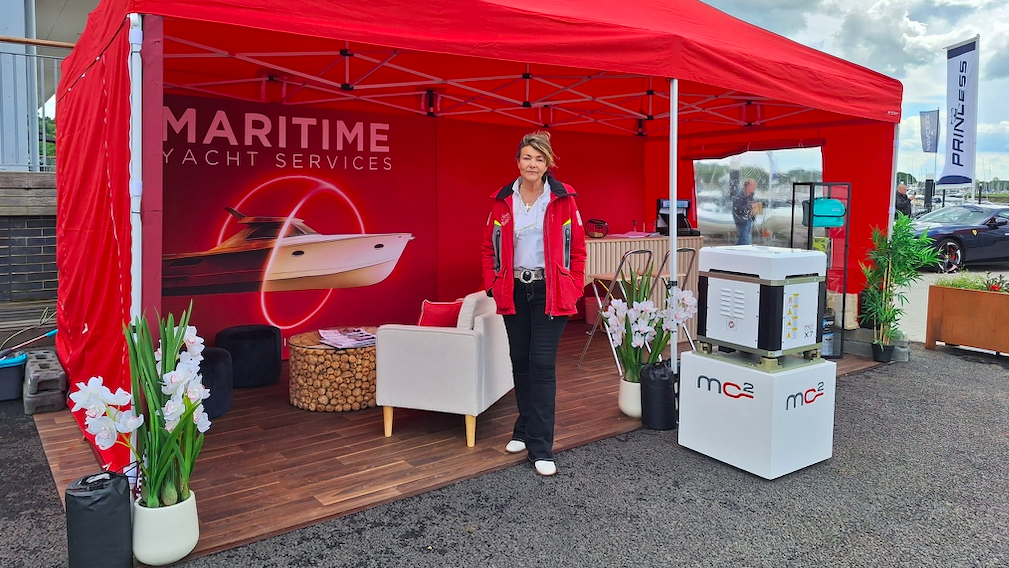 Fiona Pascoe, Maritime Yacht Services
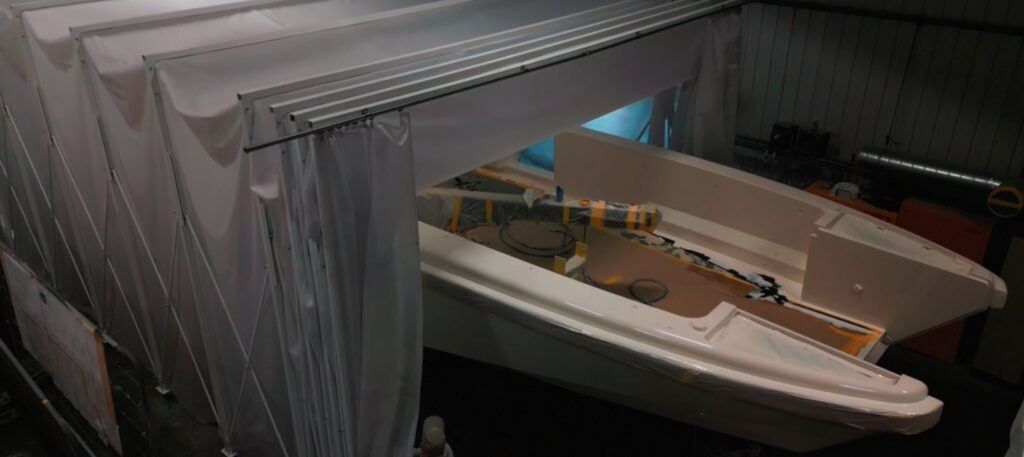
Small and medium-sized enterprise (SMEs) marine businesses are building flexible workforce networks centred on apprenticeships, subcontractor partnerships and multi-skilled training, says Fiona Pascoe, creative designer, from Maritime Yacht Services. The company provides comprehensive refit, repair and maintenance for yachts, tenders and motorboats up to 24-metres, specialising in boat restoration, surface repairs and protective coatings.
For Pascoe, speaking to MIN at last week’s British Motor Yacht Show at Premier’s Swanwick Marina, the future of marine services depends less on rigid departmental structures and more on adaptability, collaboration and practical skills development. And the company, run by her daughter Sophie Tapp, is on the right track as it recently won the Medium Business of the Year award at the 2026 Central South Business Awards.
Recruitment pressures reshape workforce thinking
Like many marine SMEs, Maritime Yacht Services is balancing growing workloads with increasing pressure around recruitment and staffing.
The company, based at Universal Marina, works across refit, repair and restoration projects ranging from private boat maintenance through to superyacht tenders and commercial support work.
Pascoe says finding technically capable people is only part of the challenge. She says current employment and recruitment policies are creating additional pressure for SMEs trying to build stable teams.
While she says wage levels are not the primary issue for specialist marine businesses, she argues that increasing employment complexity is making some companies more cautious about hiring.
“There’s a lot of people out there. It’s making sure you get the right one that fits the family that’s the challenge within new legal structures.”
She adds that marine refit businesses often need time to assess whether new recruits can work effectively within close-knit operational teams and adapt to the varied demands of workshop and on-site environments – especially as Maritime Yacht Services is increasingly focused on creating adaptable teams able to move between disciplines depending on project requirements.
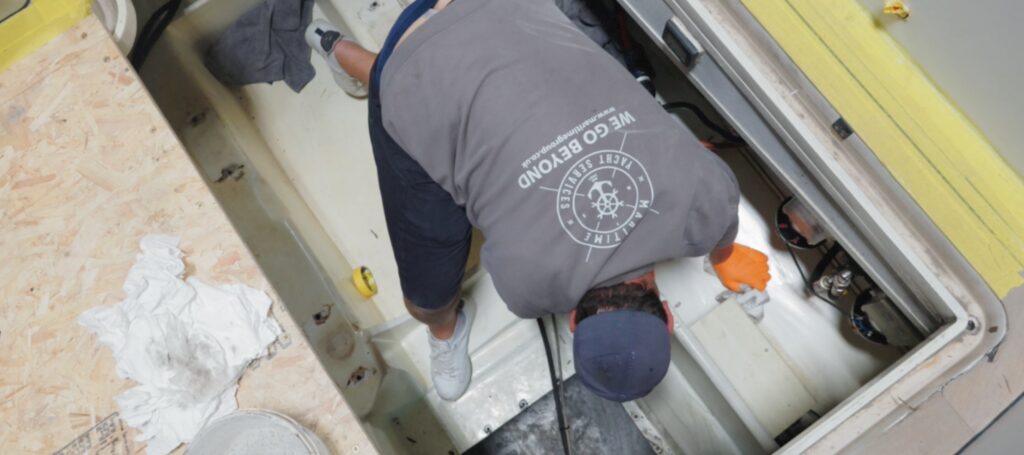
Rather than training staff within a single specialism, apprentices and junior team members are exposed to multiple areas of refit work.
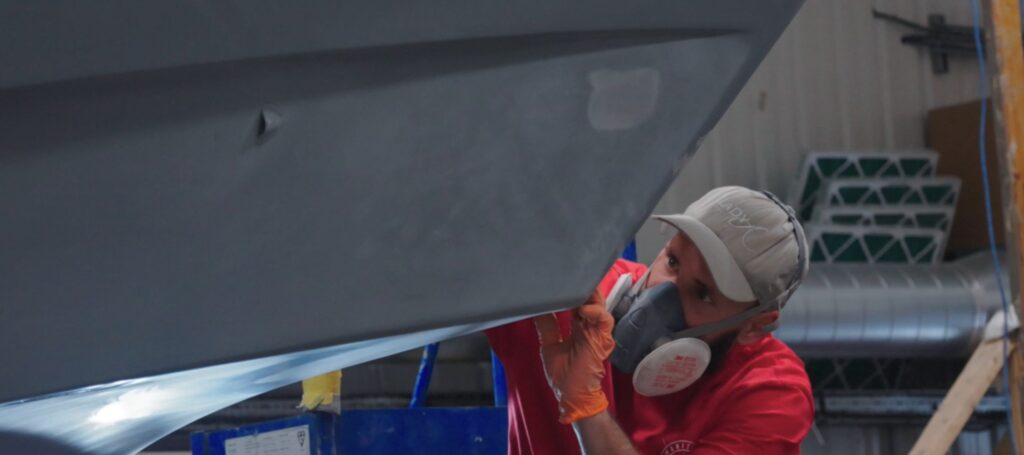
“We try to get them multitasking,” says Pascoe. “Paint spraying, a bit of GRP, and anti-fouling. It’s essential to have all different elements. We then find out their weaknesses and their strengths.”
Marine businesses becoming talent pipelines
A significant part of the business model revolves around developing younger workers through practical experience rather than relying solely on formal apprenticeship structures.
At present, the company has two apprentices working within the business.
Pascoe says many younger recruits join specifically to gain experience before moving into the superyacht sector, where exposure to captains and engineers can create further career opportunities.
“They come to us because they want to go into the superyacht industry,” she says. “They learn the basics of different disciplines, and because we deal with the superyachts, they meet the captains and the engineers.”
Some remain with the business for around a year before progressing into yacht crew or wider superyacht roles.
The approach reflects a wider trend emerging across parts of the marine sector, where smaller refit and service businesses are increasingly becoming informal talent pipelines for the global superyacht industry, she says. Rather than recruiting fully trained specialists, companies are investing in practical workshop experience and exposing younger recruits to multiple disciplines early in their careers.
The focus on multi-skilled training also reflects the realities of modern refit work, where technicians are often expected to move between tasks depending on project requirements and timelines.
Lean growth over traditional expansion
Alongside apprenticeship development, Pascoe believes collaboration between specialist businesses is becoming increasingly important.
Rather than rapidly expanding permanent headcount, Maritime Yacht Services operates with a core team supported by a network of subcontractors and specialist partners.
The company regularly works with engineering specialists and other marine firms depending on project requirements, particularly within superyacht refit.
The business typically works with four main subcontractor companies, although that number can increase depending on workload and the collaborative approach also extends into business development, with companies referring work between one another across yacht sales, refit and maintenance.
“We all try and help each other,” Pascoe says.
The model reflects a broader shift taking place across some parts of the marine services sector, where smaller businesses are prioritising agility and specialist partnerships over traditional expansion. Instead of building large in-house departments covering every discipline, many companies are relying on trusted networks that allow them to scale projects up or down depending on workload, she says.
For marine SMEs operating in uncertain economic conditions, leaner operating structures can reduce overhead exposure while still allowing access to specialist expertise when required.
Refit emerges as a resilient sector
As parts of the leisure marine market remain under pressure, Pascoe says refit and service work continues to provide more stable opportunities for specialist businesses.
The company is increasing its focus on superyacht and MOD-related work, areas Pascoe believes offer greater long-term resilience than relying solely on new boat sales activity.
“The ultra-high-net-worth individuals aren’t disappearing,” she says.
Alongside its superyacht activity, the business has also expanded into MOD subcontracter work this year through relationships with larger contractors already operating within the sector.
The projects currently involve smaller craft and RIB work, with additional contracts expected to follow.
The shift mirrors wider industry sentiment that maintenance, restoration and refit work may remain resilient during softer market conditions, particularly where businesses are servicing superyacht, commercial or defence-related sectors.
Administrative pressure and post-Brexit complexity
Pascoe says smaller marine businesses are continuing to face pressure from rising administrative demands, recruitment challenges and increasing operational complexity.
Alongside difficulties finding the right people, she points to growing customs and compliance requirements when transporting vessels internationally.
Referring to a current project involving a boat being moved from Italy into the UK for refit, Pascoe says additional documentation requirements are creating delays that did not previously exist.
“You’ve now got to have all of the certain customs things,” she says. “You’ve got to have all of these documentations and they take weeks.”
Despite the challenges, she says businesses operating in specialist sectors such as superyacht refit continue to look for opportunities to adapt and grow. And she remains optimistic about the opportunities available for businesses willing to evolve.
“There’s no such word as ‘can’t’,” Pascoe says. “We can do it, we’ve just got to work around it.”