
New research challenges traditional boat launch strategies and buyer assumptions
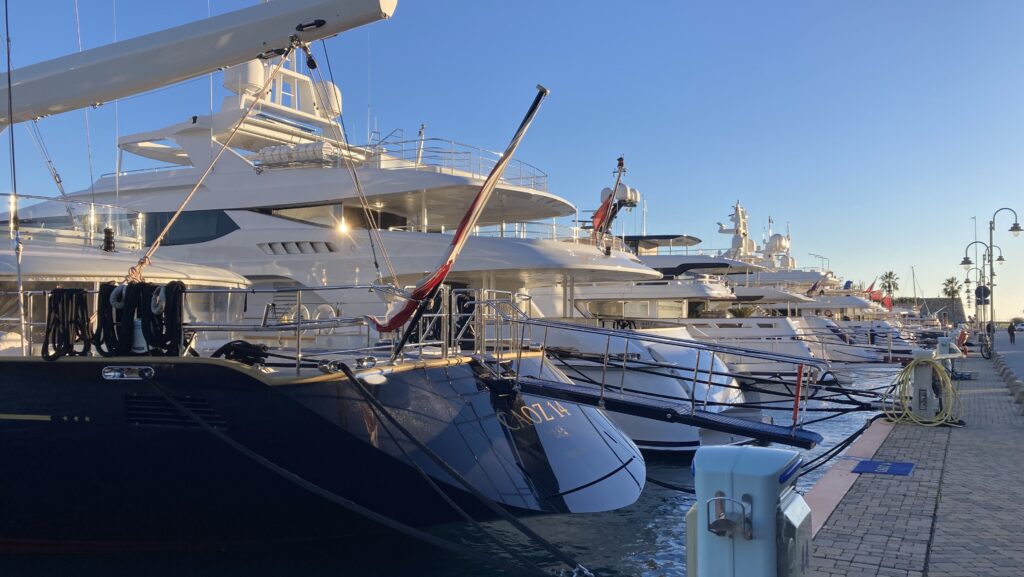 This image is for illustrative purposes only
New boat launches are designed to dazzle. Cinematic videos, dramatic reveals and months of planning are meant to spark instant demand. But according to new research from Element Three and Trader Interactive (parent of Boatmart and Statistical Surveys Inc), that excitement rarely translates into quick sales – and the reasons why may challenge long-held assumptions.
New products often land in a crowded ecosystem of both competitors and used inventory from the same OEM, says Beyond the Reveal – which takes data and (refreshingly) turns it into practical steps for marketing. It asks the core question: if launches demand so much investment, why don’t they deliver faster sales results?
Participants in the study were drawn from the United States and Canada and their answers play to a variety of reasons including OEMs’ launch campaigns (around a three-month timeline or less) not aligning with buyers’ research timelines (commonly extending for a year or more).
Understanding buyer behaviour – and what it means to strategy
The study (which can be read online in full) finds that most new models don’t reach peak sales until the year following launch as dealers lag in readiness, marketing fades too soon and buyers face plenty of older inventory. The report suggests a new, long-term launch strategy that keeps builders, dealers and buyers aligned through the full sales cycle.

“We’ve spent years helping OEMs and dealers bring new products to market and spend a lot of energy thinking about how to continue to refine that launch process,” says John Gough, senior vice president, strategy & services, Element Three (pictured).
“We entered the research with a few hypotheses, including that launch campaigns are often misaligned with the reality of how long consumers take to make a purchase, and that there are areas of improvement for launch operations between manufacturer and dealer that allow for faster sales momentum.
“The data and our research participants helped validate those hypotheses and uncover interesting trends we did not know going into the research, like which individual product features and attributes played the largest role in buyers’ decisions.”
Surprising answer to what boat buyers care about most
The consumer survey was focused on individuals who have made a purchase within the last 24 months — all respondents in the 516 total made a purchase during that period. Of those, 79 per cent purchased a new product, with the remaining 21 per cent purchasing a used product.
And, data shows, consumers care most about technology when it comes to buying a new boat. In fact, it’s the primary reason consumers select a new boat as opposed to used (when measured against alternative reasons such as warranty, price, and dealer recommendation). The latter – dealer recommendation – was near the bottom of the list for what influenced buyers’ purchase decisions.
Gough admits to being surprised at the data – and that tech came out on top for new boat buying.
“I expected warranty, longevity, service related items to top that list.
“We’ve gotten mixed responses from the OEMs we’ve discussed the research with: some are unsurprised, for others it’s sparking new conversations in marketing teams. It’s a good example of why the research is so useful because it uncovers our assumptions, and the biggest one is always that everyone behaves just like we do.”
The onus on new technology and understanding what it is and what it does (in order to sell new boats) dovetails neatly with another key finding.
Channel partners are brought into product launches too late by OEMs. This basically boils down to training and marketing materials not reaching dealers far enough in advance of new product unveiling. Dealers need product details sooner in order to sell against used-inventory (which is the main access point into the market for many consumers).
The data spans boat classes, from watersports-focused boats under $15,000 up to yacht’s with price points exceeding $5,000,000. But, “it really is more about the broader consumer market, not the super custom end of the market,” says Gough.
Boat sales research directs boat launch marketing
Another factor is that buyers look at used units as the way into boat ownership.
Data from Trader Interactive’s marketplaces show how this dynamic plays out in real-world shopper behaviour. While new units make up the majority of listings, used models consistently attract a disproportionate share of attention. From 2021 to 2024, impressions on used inventory have climbed steadily on the site – even as OEMs increase their new product listings.
This imbalance underscores the challenge for manufacturers: even when new models are available and visible, consumer attention is still drawn toward used options.
This means that launch marketing must compete not only with rival brands, but with the gravitational pull of used inventory across the marketplace. The data shows that as many as 60 per cent of buyers start with used inventory … and they aren’t receiving the right messages and dealer resources to move them toward a new unit.
Practical steps to make a boat launch count
Gough believes the three key actions boatbuilders should consider implementing with their team now include – to help shift new product – include:
- Bringing marketing into the fold earlier in product planning — ensuring that learnings from the market make it back to product teams and that go-to-market planning is a part of the overall product planning process (it’s not uncommon for marketing teams to be the last to know about launch details, feature additions, or “three week turnarounds”)
- Extending product launch campaigns further than a single moment in time, and considering how the duration of the campaigns overlaps with the length of the buyers’ journeys for customers. It takes longer than boatbuilders think to build meaningful awareness.
- Leveraging OEM-brand level messaging in tandem with new product launches to ensure new products have a clear story that ties back to that brand — and creating clarity into where this new product fits into the overall product portfolio. Work to create enabling marketing assets so dealers can act quickly upon product release into the market.
In dealer-distributed industries, a product launch is one of the most important bets an OEM can make. It represents years of development, millions of dollars in investment, and countless hours of planning. Yet, too often, the excitement of a launch doesn’t translate quickly into sales momentum, which is why the research was undertaken. But as Gough points out: “This research was self-funded by Element Three and Trader Interactive and was not commissioned by any OEM, dealer, or other entity. The companies that participated in the research interviews did so to share their insight and get access to the synthesis. As a trusted advisor to OEMs, this kind of research helps our customers gain an edge in product launches and understanding market cycles.”
Launches are no longer just moments – they’re long conversations with buyers who are often focused on used inventory. The brands that adapt, align earlier with dealers and stay present throughout the buyer journey may find that the real power of a reveal lies not in the spotlight, but in what comes after.










Leave a Reply