Shipping’s carbon chaos means fragmented rules may stall decarbonisation
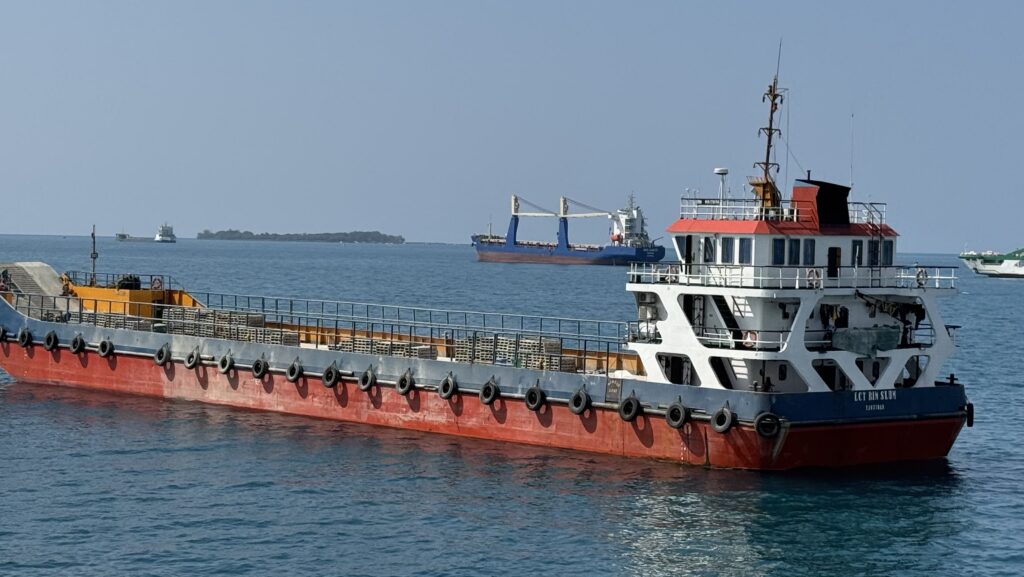 Image for illustrative purposes only, courtesy of ZBC.
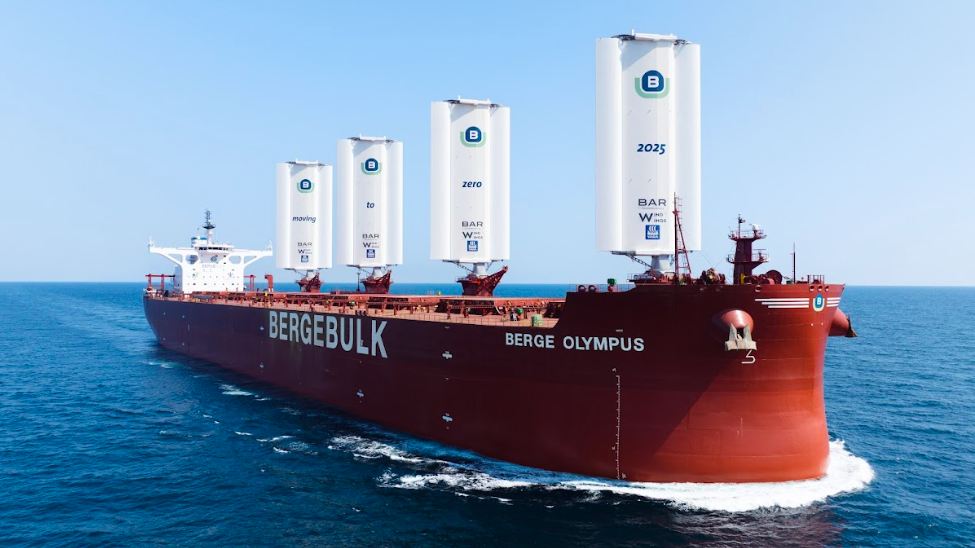
Carbon schemes in shipping were meant to accelerate decarbonisation. Instead, they’re becoming a maze. As regional emissions schemes multiply and trade-linked carbon costs take hold, shipowners are facing a patchwork of obligations that risk slowing investment. For BAR Technologies, the solution is not more regulation, but smarter alignment.
“Carbon compliance is becoming more fragmented by the month,” says John Cooper, CEO of BAR Technologies. “Instead of building momentum behind a single global framework, we’re creating a patchwork of schemes with different baselines, rules and cost mechanisms. That creates confusion, inflates costs, and weakens the industry’s ability to invest in real, scalable solutions.”

Over 30 emissions trading systems and counting
Regional emissions trading schemes are placing unprecedented compliance pressure on the maritime sector, and risk delaying progress on decarbonisation, so says BAR Technologies. The company’s urging immediate action toward a unified global carbon framework.
According to the International Carbon Action Partnership (ICAP), over 30 emissions trading systems are now either in force or under development worldwide.
Many overlapping schemes are now in effect or emerging, including the EU ETS, FuelEU Maritime, the IMO’s postponed Net-Zero Framework, and proposed Greenhouse gas Fuel Intensity measures. This means shipowners are navigating a maze of conflicting obligations.
Policy ambition without coordination risks regulatory friction
Recent research from the Grantham Research Institute (London School of Economics) identified over 900 climate adaptation laws and policies adopted across 35 countries since the Paris Agreement. While this surge signals growing ambition, it also highlights the risks of uncoordinated frameworks that lead to implementation gaps, increased costs and regulatory friction across borders.
The situation is further complicated by mechanisms such as the EU’s Carbon Border Adjustment Mechanism (CBAM), which went live on 1 January 2026. While not directly taxing shipping emissions, CBAM introduces indirect carbon costs into the trade system by pricing the embedded emissions of goods such as steel, aluminium, cement, and fertilisers, all of which are major seaborne cargoes.
“CBAM is an example of how carbon pricing is now embedded into trade,” Cooper notes. “But it’s also a reminder that without multilateral alignment, we risk policy friction and commercial uncertainty on a global scale.”

The case for a single global carbon framework
To avoid paralysis through bureaucracy, BAR Technologies is calling for a single carbon policy, one that is globally agreed, fairly administered and financially transparent. The company continues to advocate for a bunker-level collection mechanism to fund climate-positive reinvestment, while avoiding the duplication and complexity of overlapping schemes.
“While we await consensus on a unified framework, we cannot afford inaction,” Cooper says. “We need technologies that work today, across regulatory zones and wind propulsion is leading that charge.”
Shipping’s path to net zero will not be defined by the number of carbon schemes in force, but by how effectively they drive real emissions cuts. Without global alignment, complexity could become the industry’s biggest obstacle. With it, capital can flow faster into proven solutions already cutting fuel use today. The choice, industry leaders argue, is between fragmentation and forward momentum.