
Actisense’s user experience evolution – graphically intuitive and cloud-connected
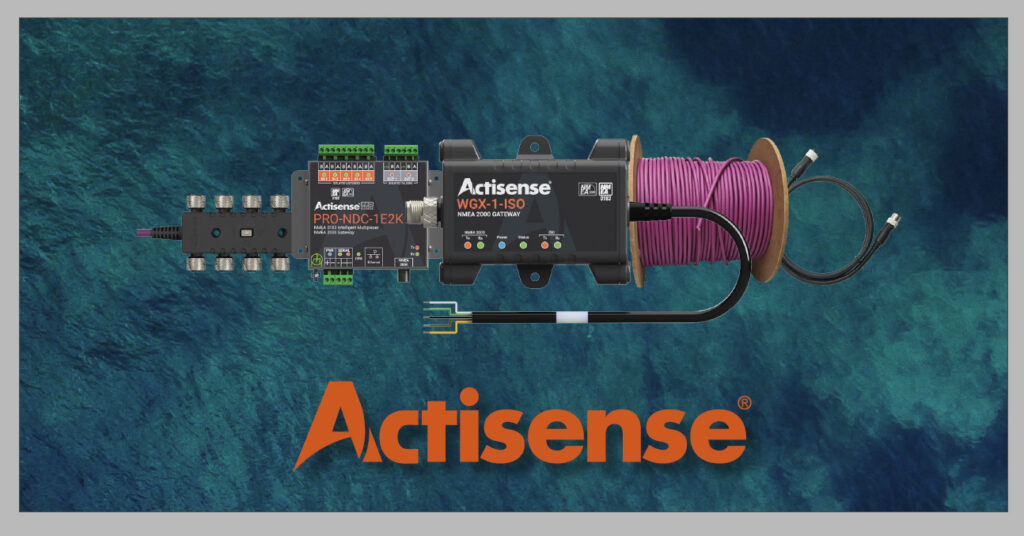 Actisense designs and manufactures intelligent marine electronics, data interfaces, and network diagnostic tools
Actisense’s evolution from data interfaces and conversion tools towards cloud-connected monitoring, remote diagnostics and software integration illustrates how manufacturers are expanding their role in the connected boat ecosystem.
“While we are at heart an equipment manufacturer, more and more of our team resource is being allocated to focusing on the user experience including firmware, web-apps and cloud-based systems,” says Justin Cohen, commercial director at Actisense.
“That looks to be trending upwards over the coming years. As vessels become more autonomous, they will require ever more data to maintain safe and efficient operations.”
Making onboard data more accessible
Actisense designs and manufactures intelligent marine electronics, data interfaces, and network diagnostic tools. Based in Poole, Dorset, UK, the company is widely known as an industry specialist in marine communication standards – specifically NMEA 0183, NMEA 2000, and NMEA OneNet.
While Cohen says products have always been rooted in the conversion, digitisation or sharing of onboard data, customer expectations have driven products to be more graphically intuitive and cloud-connected over the past couple of years.
Hardware components and chipsets have also allowed Actisense’s range of products to become faster and even more capable, says Cohen. “Compared to five years ago, the increased computational power has allowed the rollout of new conversions (our gateways provide the widest set of NMEA conversions, aligned with the NMEA 2000 V3 database).
“ActisenseCloud was previously simply a log-file conversion tool, whereas now, it provides extensive remote monitoring and diagnostic capability, fleet management, data logging and tracking. And because our devices now automate the whole process, boaters simply need a 4G/5G router or Starlink connection to have their vessel’s navigation and instrumentation data auto-uploaded to the cloud.”

The growing role of AI
According to Cohen, the company is noticing a clear increase in the number of third-party AI developers who are connecting to a vessel’s NMEA network using Actisense gateways, and then providing the ability to query the boat’s performance using natural language. “Rather than looking up the current heading or engine oil pressure, users will be able to ask these systems questions about the performance of the vessel or connected instruments in plain terms – making accessibility to new boaters even easier,” he says. (Data permissions need to be approved with any third-party application, ensuring the vessel owner stays in control of their vessel’s data.)
The Actisense gateway range (most recently launched is the WGX-1 – product details are on its website) has changed in both hardware and firmware profiles over the past five years.
The devices now benefit from a much more capable hardware profile, with the ability to convert from NMEA 0183 (RS-422 / RS-485) serial data to NMEA 2000, plus the inclusion of Wi-Fi output to support the multitude of third-party marine applications on Windows, iOS and Android.
Users have also been provided with a completely fresh user interface.
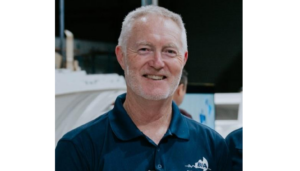
“Our Actisense-i Webapp that lives on the gateway provides customisable digital user dashboards, extensive network diagnostic tools and – most recently – connection to ActisenseCloud, where boaters and their technicians can remotely monitor and diagnose issues on the vessel and track journeys for efficiency and safety gains,” notes Cohen, pictured.

Bringing different systems together
For Actisense, it’s all about interacting with instruments and sensors onboard. While some manufacturers isolate their systems, most tend to want to interact with other instruments or sensors onboard, Cohen says.
“NMEA 2000 is the de facto standard for leisure boating and we work other manufacturers to help them align and integrate into that ecosystem.
“Boatbuilders have largely bought into this standard, but in the case of larger vessels where NMEA 0183, ethernet or MODBUS-based systems are required, we see our role as that of ‘data conductor’ allowing the orchestra of onboard devices to seamlessly integrate.
“We have also consulted with a number of software and app developers to help bring vessel data into their frameworks.” He cites working with Savvy Navvy to bring NMEA data into its app.
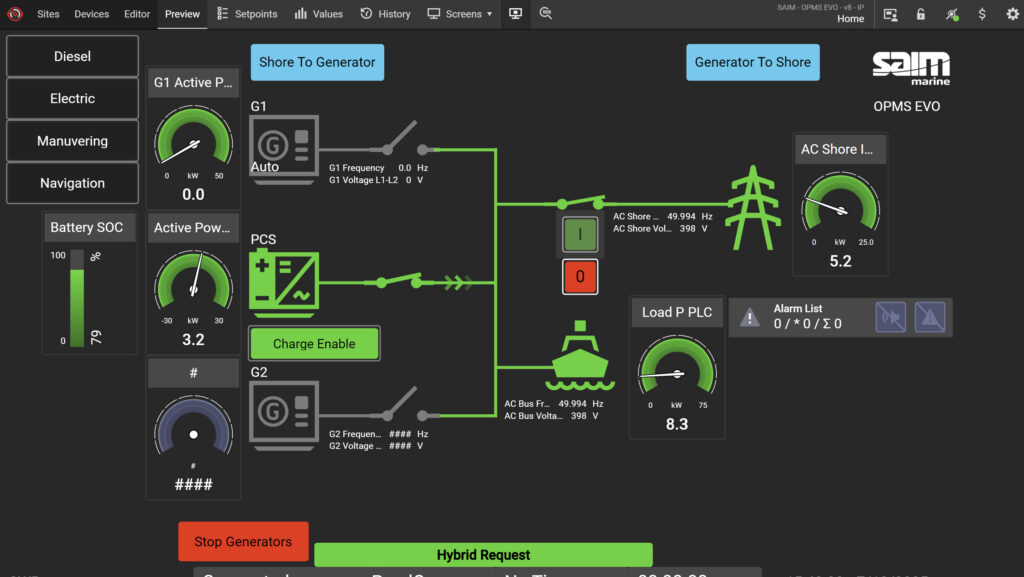
Software as part of the product
ActisenseCloud is a free service (details are online at ActisenseCloud). “Users have already purchased the hardware from us, so this is an extended means of adding value. In future, there may be some additional storage and premium features we can add for a nominal fee, but there will always be this free functionality.
“Remote diagnostics, auto uploads and updates are already delivered freely through our service. Our valued network of dealers and distributors continue to share revenues with all hardware we provide. New features lead to increased sales, so it’s win-win-win.
“Once a user purchases an Actisense product, they benefit from new features via free firmware updates for the lifetime of that product. And despite having a five-year guarantee on all products in the range, we have some products that have been receiving updates for over a decade,” Cohen concludes.
Visit Actisense at Metstrade: 01.603.






Leave a Reply