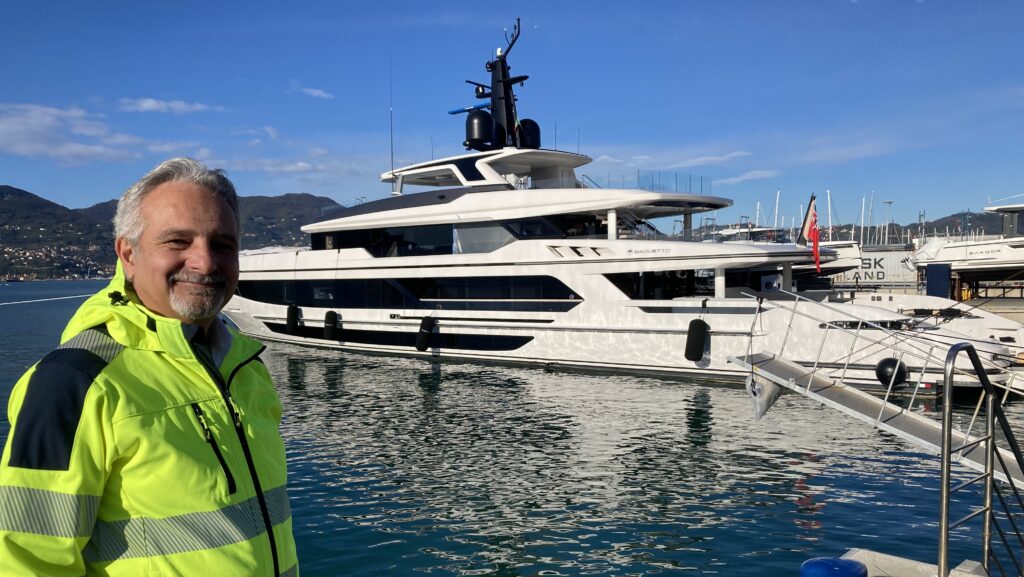
Sustainability moves from compliance issue to design driver at Baglietto
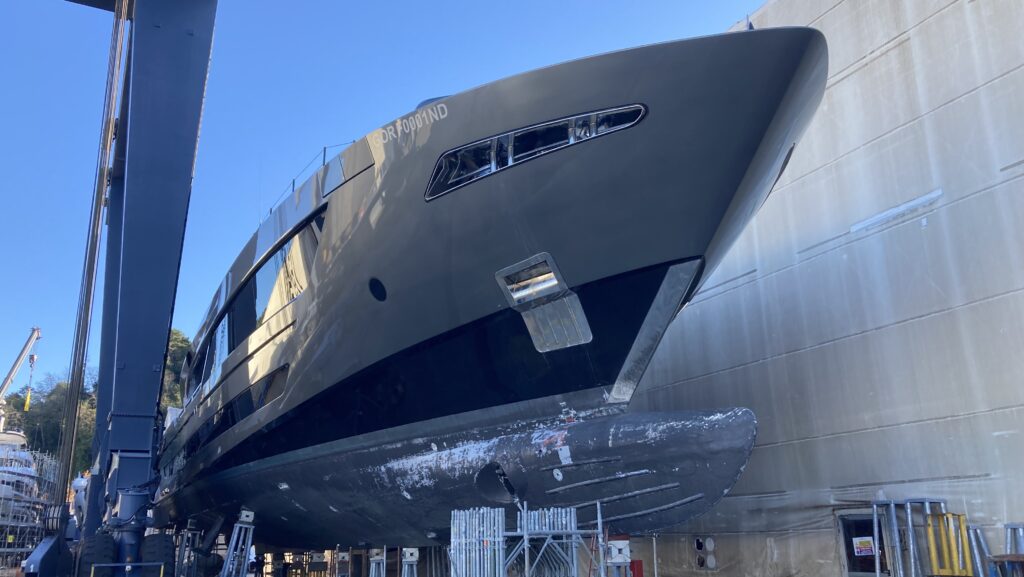 Baglietto’s shipyard
Sustainability is no longer a secondary consideration for yacht builders but a factor increasingly shaping vessel design, investment decisions and future technology development, according to Fabio Ermetto, chief commercial officer at Baglietto.
While sustainability is widely discussed across the marine sector, Ermetto argues that relatively few shipyards have fully committed to the research and development needed to drive meaningful change. “For us, sustainability is no longer an ancillary element, but a true design driver,” he says.
Alternative propulsion takes centre stage
The Italian builder has spent several years investing in alternative propulsion technologies, including hybrid and electric platforms. According to Ermetto, the challenge is integrating these systems without compromising comfort, range or performance – factors that remain central to owner expectations.
Baglietto is also developing its Bzero system, which is based on green hydrogen technology. Ermetto says the system generates energy from seawater and is expected to be implemented on the yard’s larger yachts in the future.
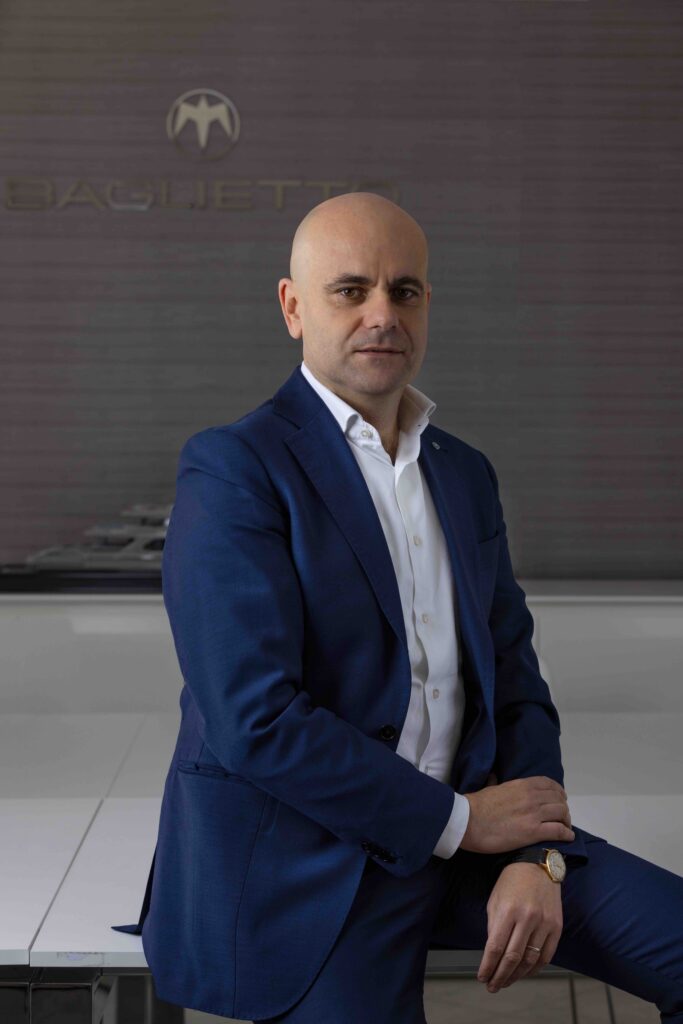
The focus on sustainability reflects a broader shift in how environmental issues are viewed within the industry. “It has become a strategic lever that shapes corporate strategies, investment decisions, and business models,” says Ermetto (pictured).
Alongside environmental considerations, he identifies innovation as essential to maintaining competitiveness. While technology development presents challenges, he says it also creates opportunities for shipyards willing to invest in new solutions.
Skilled labour remains a bottleneck
However, technological progress is only one part of the equation. Ermetto points to growing pressures within the superyacht supply chain, particularly the ability of suppliers and subcontractors to meet increasingly demanding quality standards.
“It is becoming increasingly difficult to find a supply chain and subcontractors capable of adequately supporting the ever-growing quality requirements demanded by shipyards,” he says.
According to Ermetto, some suppliers continue to operate with highly artisanal production methods that have not evolved sufficiently to support industrial-scale yacht construction requirements. He links this challenge to another issue affecting many builders: the availability of skilled labour.
The shortage is particularly evident in specialist trades such as metal fabrication and steelwork, areas that remain critical to yacht construction.
Regulation is another factor shaping the future of yacht design. Ermetto says regulatory frameworks play an important role in establishing standards and improving safety. At the same time, he believes regulations should support innovation and yacht architecture by allowing greater flexibility in onboard layouts.
“Achieving the right balance between regulatory requirements, innovation, and design freedom is essential to foster the development of increasingly efficient and sustainable vessels,” he says.
For Baglietto, the future of sustainability will depend not only on new propulsion technologies, but also on creating an environment in which innovation, regulation and practical yacht design can evolve together.