
French lawmakers vote to retain controversial superyacht tax
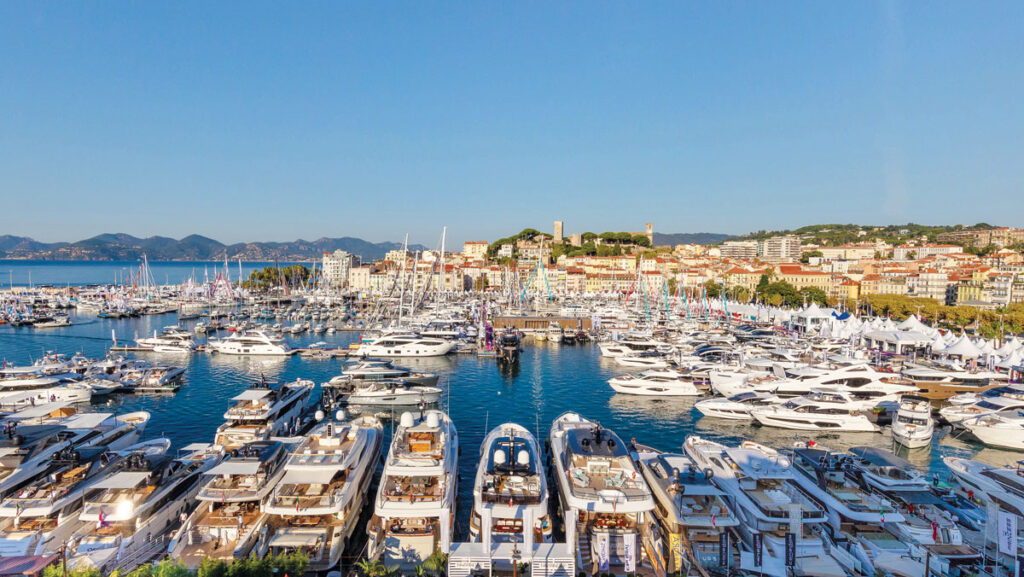
French lawmakers have voted to maintain a ‘superyacht tax’, keeping in place a levy that has reportedly produced only limited income since its introduction in 2018.
France’s surcharge on large private yachts applies to French-registered yachts over 30m in length with more than 750kW of propulsion power, with rates ranging from €30,000 to €200,000 depending on length and engine output.
When the government launched the levy in 2018, the expected revenue was estimated at €5m-€10m per year. Actual receipts have remained far below that level. Le Monde reports that, in 2024, the tax generated €60,000, down from around €135,000 the previous year. This was in line with similarly low totals recorded since the measure was introduced. Figures reported by BFM and regional outlet Nice-Matin indicate that only five yachts were taxed in 2024.
The shortfall has drawn repeated criticism from members of the National Assembly. Joël Giraud, an MP from La République en Marche and former rapporteur of the Finance Committee, has questioned both compliance levels and the enforcement effort. In statements carried by BFM Business and earlier parliamentary reports, Giraud argued that it is unlikely so few French nationals operate large yachts, describing the yield as “very disappointing”. Customs representatives have similarly acknowledged that superyachts are not a high administrative priority and that field inspections remain limited.

Industry figures have also raised concerns about the original revenue forecasts. Thierry Voisin, president of the European Committee for Professional Yachting, said sector professionals never expected the tax to raise the stated amount, attributing the initial figures to unrealistic assumptions. Le Monde has also suggested that the €10m projection was not formally validated by the Ministry of Finance.
A key factor in the low yield is the narrow scope of the levy. The charge applies only to French-registered vessels, allowing owners to avoid the tax by a loophole: re-flagging their yachts in other jurisdictions.
Estimates suggest the world’s 300 largest superyachts generate carbon dioxide emissions equivalent to hundreds of millions of miles driven in a typical petrol car each year. Some commentators in France and the US have proposed alternative mechanisms such as daily impact fees for docked yachts, similar to proposals under discussion in the US state of Maine.
Despite the consistently low intake, French lawmakers have opted to retain the measure. During the National Assembly’s debate on the draft 2026 budget, MPs voted against Amendment No. 800, which proposed abolishing the tax entirely. The amendment was introduced by members of the Together for the Republic group but was rejected at its first reading.
One consequence of the tax’s poor performance has been reduced funding for the National Sea Rescue Society, which was intended to receive a significant share of the proceeds. With receipts far below expectations, the organisation has not benefited from the level of support originally anticipated.
The government has not indicated whether further changes to the levy will be considered so far. For now, the so-called superyacht tax remains in place.
The news comes after Canada’s 2025 federal budget included a commitment to remove the luxury tax on private planes and boats, which was first introduced in September 2022.
The policy – introduced by the Trudeau government – had drawn criticism from Canada’s marine industry for contributing to job losses, lower tax revenues and reduced sales.