Marinas face growing strain as superyacht demand outpaces infrastructure
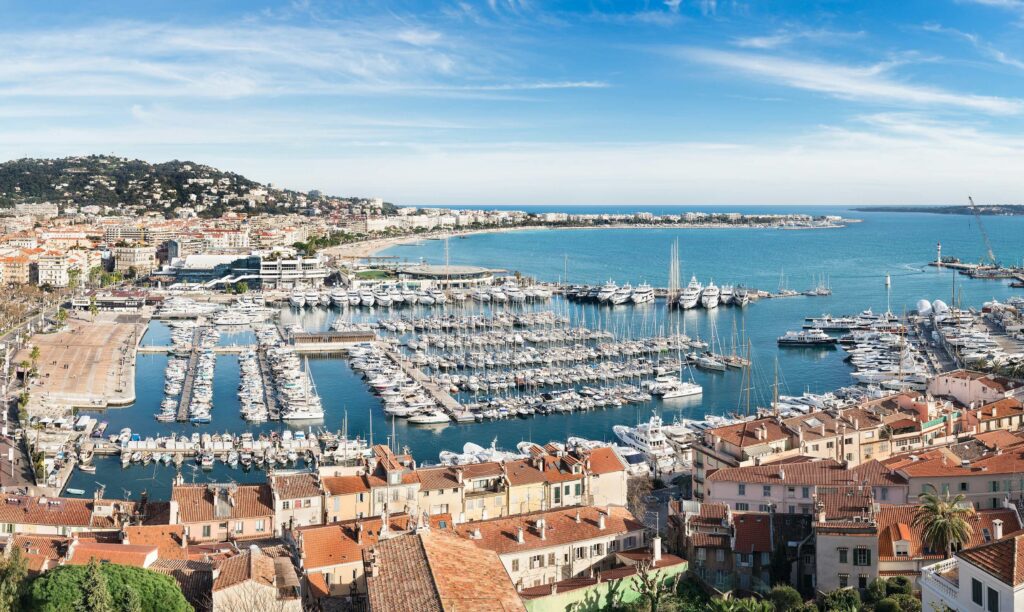 IGY’s Vieux-Port de Cannes
The superyacht sector’s biggest challenge is “the widening gap between growing superyacht demand and the infrastructure, people, and operating standards required to support it”. That’s the assessment of Simon Bryan of IGY Marinas, who argues that the industry’s most pressing issue is not any single factor, such as regulation, labour shortages or sustainability, but the growing mismatch between expanding yacht fleets and the shoreside systems needed to support them.
As superyachts become larger, more complex and more service-intensive, Bryan says marinas are being required to perform a far broader role than simply providing berths. They are increasingly expected to function as logistics centres, hospitality venues, compliance interfaces, security environments and technical support hubs.
At the same time, marinas themselves are attracting greater attention from institutional investors, private equity firms and real estate capital. While this is creating investment opportunities, it is also increasing competition and raising expectations around performance, utilisation and customer satisfaction.
Shoreside infrastructure becomes the critical challenge
Bryan believes the industry is underestimating the growing complexity of shoreside operations.
Owners, captains and guests increasingly expect seamless service, but delivering that experience requires a whole gamut of activities which span from power supply through immigration procedures to transport logistics and environmental compliance – with many more in the mix.
According to Bryan, success will increasingly depend on the reliability and quality of the shoreside ecosystem rather than the yacht itself.
“The risk is that yachts continue to become more sophisticated while many destinations remain underprepared to support them effectively,” he notes.
Marinas’ influence extends beyond berthing
Then there’s the fact that the industry does not talk enough about the role marinas play in shaping perceptions of superyachting. The way the marina is viewed influences local stakeholders attitudes towards superyachts.
He says, among other things, marinas influence sustainability outcomes, local employment, community engagement and safety and destination management, and he believes marina operators should work more closely with local authorities and communities to demonstrate the economic and social contribution that superyachts can bring.
Labour, compliance and costs continue to rise
Over the past five years, Bryan says recruiting experienced personnel has become increasingly difficult – whether they’re operational or technical, hospitality or security.
At the same time, compliance requirements have expanded, supply chains remain less predictable than before the covid pandemic, and utility and infrastructure costs have increased significantly.
Competition within the marina sector has also intensified as new developments, acquisitions and investment-backed operators enter the market. As a result, marina operators face growing pressure to invest in facilities, technology and service standards while maintaining profitability.
Margin pressure is particularly evident in labour, utilities, insurance, maintenance, compliance, security, technology and environmental infrastructure.

Bryan, pictured left, says: “The challenge for marina operators is to maintain exceptional service standards while improving operational efficiency, maximising asset utilisation, and developing complementary revenue streams that support long-term profitability.”
Technology and professionalism drive improvement
But underpinning this all, Bryan says technology has improved many things for marinas, including reservation management, customer profiling and maintenance planning.
He also points to greater alignment between captains, yacht managers, owners’ representatives, shipyards and marina operators on service standards and items like safety and sustainability objectives.
Collaboration and knowledge-sharing have also increased, particularly among global marina networks.
Owners expect convenience and practical sustainability
Expectations continue to evolve, according to Bryan, with owners increasingly prioritising privacy, personalisation, digital convenience, flexibility and destinations capable of supporting business activities, family travel, wellness and remote working.
Sustainability is increasingly influencing owner decisions, but Bryan says most owners are looking for “practical solutions rather than symbolic gestures”. He says they want “credible options such as shore power, responsible waste management, efficient logistics, local sourcing, and environmentally responsible destinations that do not compromise the guest experience.”
On regulation and sustainability, he argues that the focus should remain on measures that are operationally practical and commercially viable, including shore power infrastructure, improved waste and water management systems, responsible procurement and energy-efficiency initiatives.
Talent shortages remain a concern
Finding experienced people has become one of the sector’s biggest workforce challenges. Marina operators are struggling to recruit across a range of operational, technical and customer-facing roles, from marina and operations managers to engineers, dockmasters and hospitality professionals.
Bryan says the issue is not simply attracting talent but keeping it. As demand for skilled workers grows, he believes the industry must focus more heavily on career development, training and clearer progression routes to improve retention and support long-term growth.
Mediterranean remains central to superyacht activity
Looking ahead, Bryan expects North America to remain highly influential due to its concentration of yacht ownership, wealth creation and charter activity. He also sees the Middle East playing a larger role as investment continues in marina infrastructure, tourism and hospitality.
However, he believes the Mediterranean will remain the centre of global superyacht activity for the foreseeable future.
Spain, France and Italy will continue to dominate because of their concentration of marinas, shipyards, refit facilities, service providers and charter activity.
Bryan also expects marina networks to become increasingly important. He says owners and captains will favour operators capable of delivering consistent standards and seamless experiences across multiple cruising regions rather than relying on individual destinations alone.