Imray charts cleared for coded vessels after joint venture shake-up
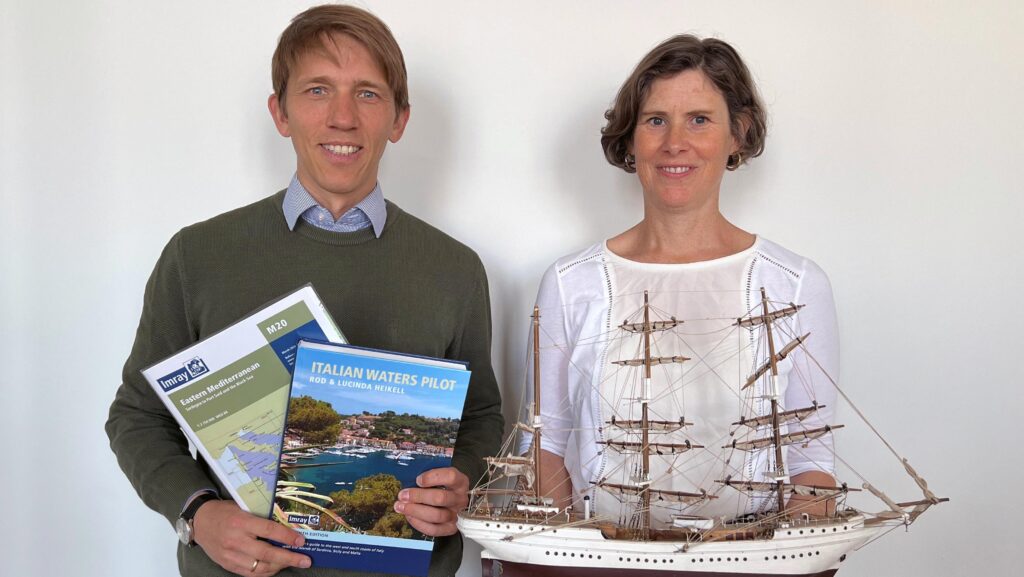
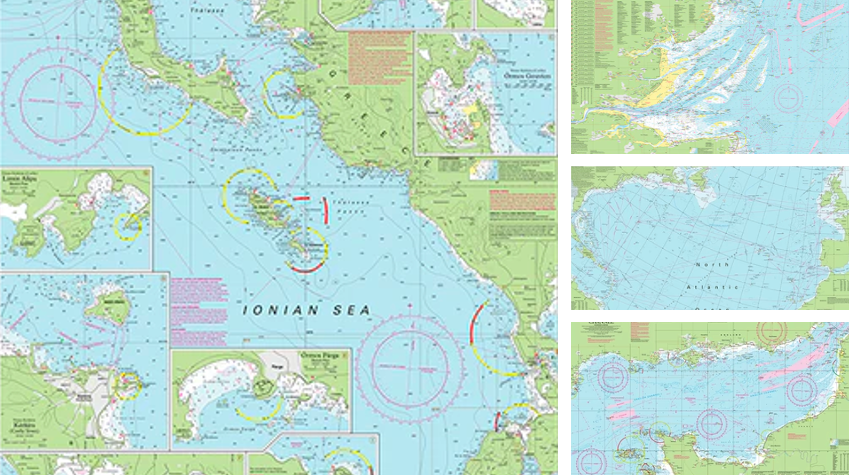 Samples of FB Imray’s navigational charts
Imray charts produced by FB Imray Laurie Norie & Wilson – shortened to FB Imray herewith – have been formally recognised by the UK’s Maritime and Coastguard Agency (MCA) as approved for navigation, allowing operators of coded vessels under 24 metres to continue meeting UK carriage requirements using the brand’s products.
“This recognition from the MCA is an important milestone for FB Imray. It confirms that our charts meet the standards required for safe navigation and that our processes meet regulatory expectations,” says Carl Rauch, CEO.
The updated recognition letter confirms FB Imray as a Private Chart Producer. Under UK law, owners and operators of coded vessels such as charter boats, training vessels and workboats may carry Imray charts to satisfy statutory carriage requirements.
ISO 9001 certification secured
FB Imray has also received ISO 9001 certification, confirming its quality management systems for the production of navigation charts and sailing publications.
Rauch says MCA’s recognition means commercial operators “can continue to rely on Imray charts not only for their clarity and small-craft detail, but also for legal compliance at sea.”
Joint venture takes over Imray portfolio
The approval follows the launch of FB Imray, a joint venture between Imray Laurie Norie & Wilson and Austrian cartographic specialist freytag & berndt. The new venture is headquartered in Vienna and has taken over Imray’s established portfolio of nautical charts and books, which continue to be published under the Imray brand.
Strategic shift in paper chart publishing
That venture followed a strategic decision announced in November 2024 by the then Imray Laurie Norie & Wilson to stop publishing new paper nautical charts after the 2025 season. The company confirmed it would continue to support paper charts with updates through the 2025 season, but no new editions would be issued thereafter.
The move reflected wider industry trends, including rising production costs for printed charts and increased adoption of electronic navigation.
Some sailors expressed concern at the time, citing the value of paper charts for passage planning and as a backup to electronic systems.
The new collaboration is said to ensure the continued availability and development of Imray’s renowned nautical charts and books, maintaining its trusted legacy for sailors worldwide.