RNLI urges families to share lifesaving water safety advice as red heat warning issued
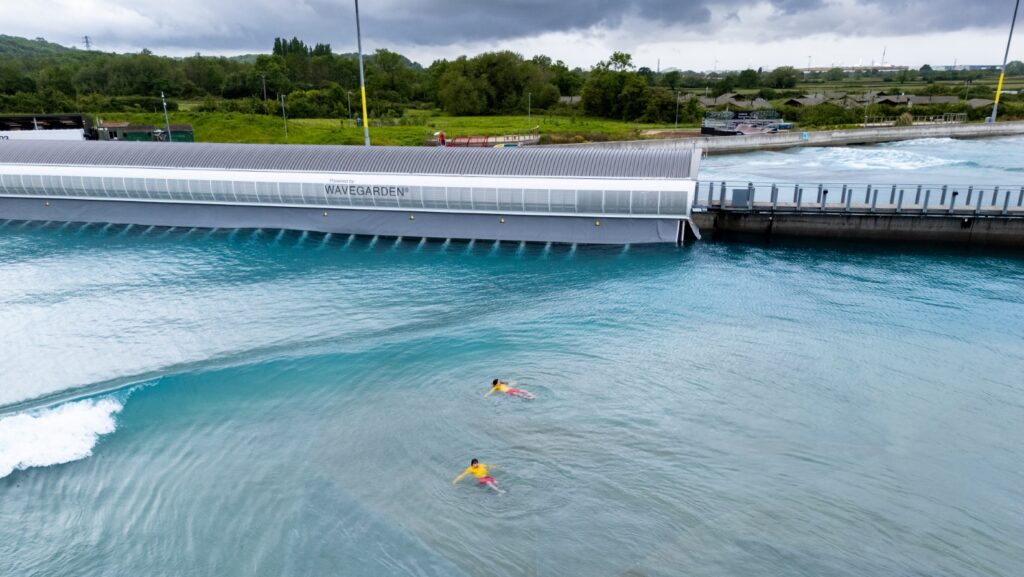
 Lifeguards demonstrate the Float technique at the Wave, Bristol. Image courtesy of RNLI/Nathan Williams
The Royal National Lifeboat Institution (RNLI) has issued updated guidance as red and amber weather warnings for extreme heat remain in place across parts of the UK
The country is expecting its hottest June day on record today (23 June 2026), beating a record set in 1976, with temperatures forecast to rise above 35C.
The charity is advising people heading to the coast to follow established water safety advice, with increased visitor numbers expected during the warm spell.
As temperatures rise, more people are likely to enter open water to cool off. The RNLI notes that this typically coincides with a higher risk of drowning incidents, particularly among young people and teenagers. Sea and inland waters remain cold even during prolonged hot weather, and cold water shock remains a continuing risk that can affect swimmers immediately on entry, even when the outside temperature is high.
19 people tragically lost their lives in open water across the UK during a heatwave in May 2026.
The RNLI’s guidance covers how to respond if someone gets into difficulty in the water, how to act if witnessing an incident and basic precautions such as choosing lifeguarded beaches. It also advises checking weather conditions and tide times before travelling.
The warning follows previous data from warm periods in which younger age groups made up a significant proportion of drowning fatalities.
Cold water risk and safety advice
Ross Macleod, RNLI water safety manager, says: “As the exceedingly hot weather continues, we are urging families to talk about the dangers of swimming and jumping into open water – this could be a conversation that saves lives.
“Cold water shock is a real danger, which we particularly want people to be aware of. The sea or open water may look inviting during hot weather, but it remains cold enough year-round to trigger cold water shock, which can cause uncontrollable gasping, increased heart rate, and can lead to panic and drowning very quickly. It’s best to enter the water slowly to gradually acclimatise.
“Anyone who finds themselves in danger in the water should fight the panic instinct and Float to Live – try to relax and float on their back, with head tilted back, gently moving their hands and legs to help them stay afloat. This buys valuable time to get your breathing back under control, before then calling for help or swimming to safety.
“If you see someone else in danger – do not enter the water yourself as you could also end up in serious difficulty. Instead, remember phone, float, throw – phone 999 or 112 and ask for the Coastguard; tell the struggling person to float; throw them something buoyant, like a life ring.
“If you are visiting the coast this weekend, the safest option is a lifeguarded beach, where you should swim between the red and yellow flags. If you can’t choose a lifeguarded beach, find out about your chosen beach before you visit – check weather and tide times and read local safety signage.
“By remembering this advice and sharing it widely, we can all play a role in helping to save more lives from drowning.”
HM Coastguard is contacted in emergencies at sea via 999 or 112.
Safety guidance and seasonal campaign
The RNLI’s advice centres on two core responses: Float to Live for self-rescue and Phone, Float, Throw for assisting someone else in difficulty.
Float to Live guidance advises tilting the head back with ears submerged, relaxing and controlling breathing, and using gentle movements to stay afloat. It notes that sinking legs is normal and flotation varies between individuals. Once breathing is steady, the guidance advises calling for help or swimming to safety.
Phone, Float, Throw sets out bystander actions: call 999 or 112 and ask for the Coastguard, tell the person in difficulty to float and throw a buoyant object such as a life ring.
The RNLI recommends checking conditions before heading to the coast, using lifeguarded beaches where available, and swimming between red and yellow flags.
The organisation’s lifeguard service marks 25 years this year and has launched a five-episode podcast series to mark the anniversary.