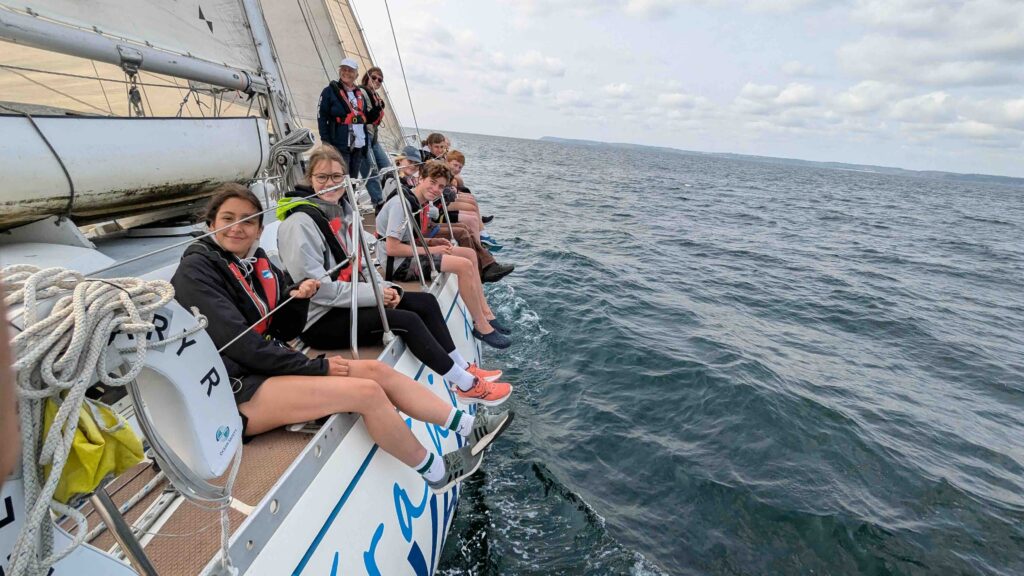
Sail training’s collaborative model is helping hard-to-reach young people thrive
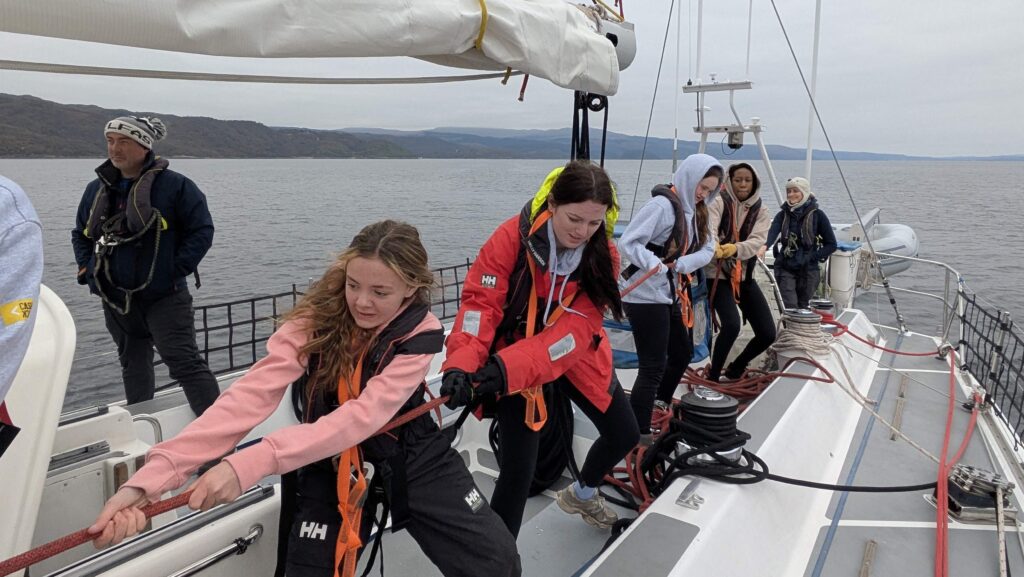
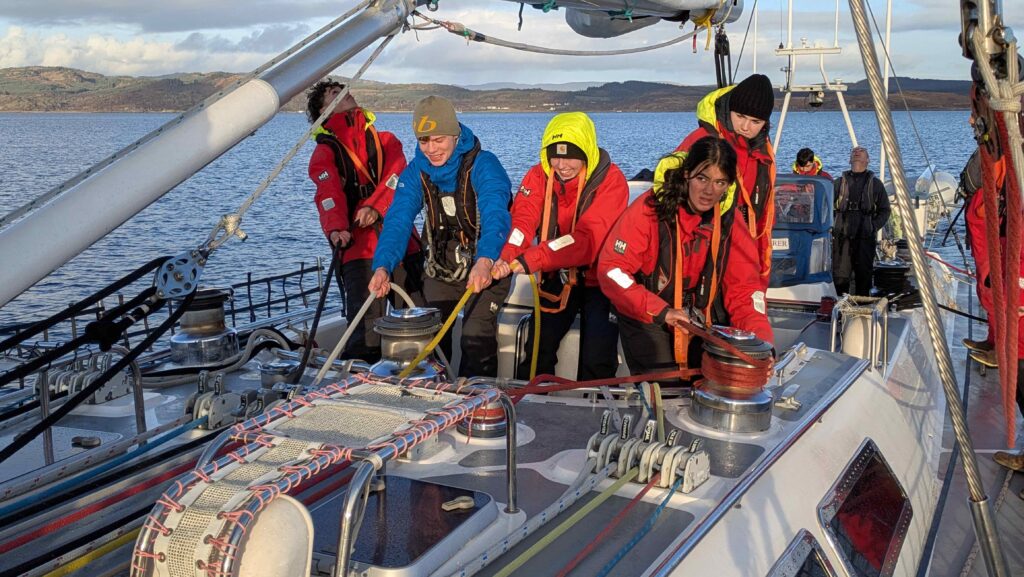 Effective collaboration can evolve into a scalable, repeatable approach. Image courtesy of Ocean Youth Trust Scotland
For many young people facing barriers to confidence, education or employment, opportunity rarely arrives in isolation. In sail training, the biggest breakthroughs are increasingly happening not because one organisation steps in, but because many come together around a shared goal: helping young people see a bigger future for themselves. Here Kerry McMillan, chief executive, ASTO (Association of Sea Training Organisations) explains why organisational collaboration is key.
Last year, the Office for National Statistics (ONS) reported that 957,000 young people aged 16-24 in the UK were not in education, employment or training (NEET). It’s a troubling figure that speaks to a wider issue about the connectivity of youth systems and whether the support that exists is truly reaching those who need it most.
In sail training, we see this challenge first-hand. Our voyages build confidence, resilience and essential life skills, but their impact is strongest when they form part of a wider, joined-up support network. When youth workers, teachers, social care teams and community organisations work alongside us, young people are more likely to take part, more likely to stay engaged and more likely to carry those benefits into their future education, employment and wider lives.
That is why collaboration matters so much.
Reaching the young people who don’t self‑refer
At ASTO, our members collectively support around 11,500 young people each year, including those with additional needs. But the young people who benefit most are often the hardest to reach: those disengaged from school, those with caring responsibilities, those who have lost confidence or those who simply don’t see themselves as ‘the kind of person who sails’.
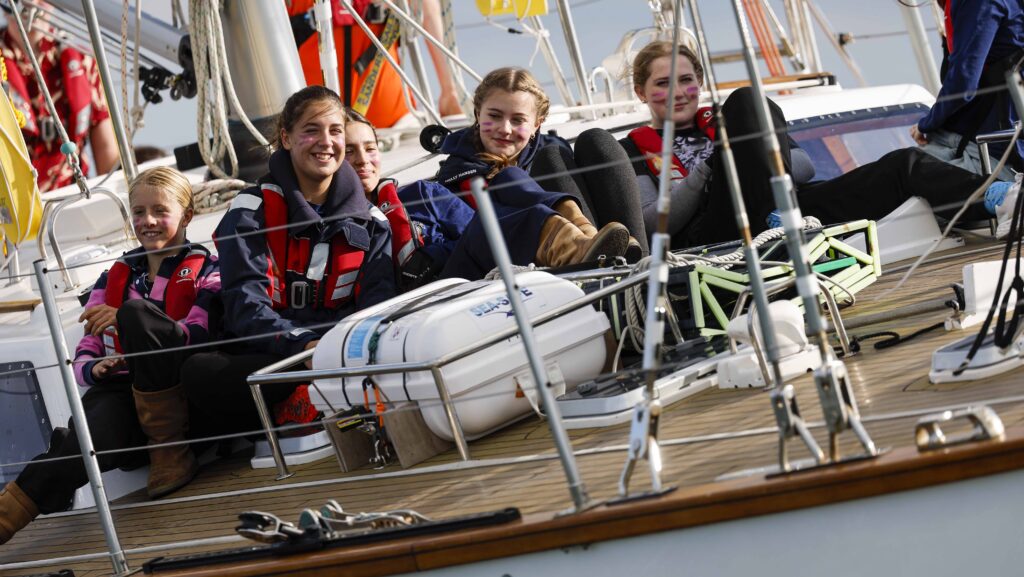
Aberdeen shows what collaboration can achieve
The Tall Ships Races in Aberdeen last year offered a powerful demonstration of what this looks like in practice. Rather than a single organisation delivering a programme, the event became a coordinated effort led by Aberdeen City Council and supported by Aberdeen City Youth Services, Port of Aberdeen, Aberdeen ABZ, Ocean Youth Trust Scotland, the Swan Trust, the Sea Cadets and ASTO. What made the model so effective was not simply the number of partners involved, but the way each one contributed something distinct.
At the planning stage, Ocean Youth Trust Scotland, the Swan Trust, the Sea Cadets and ASTO brought their understanding of how the experience the young people would have on the race legs would deliver impact for those young people in terms of skills, confidence and resilience. They advocated to include those young people who could benefit most.
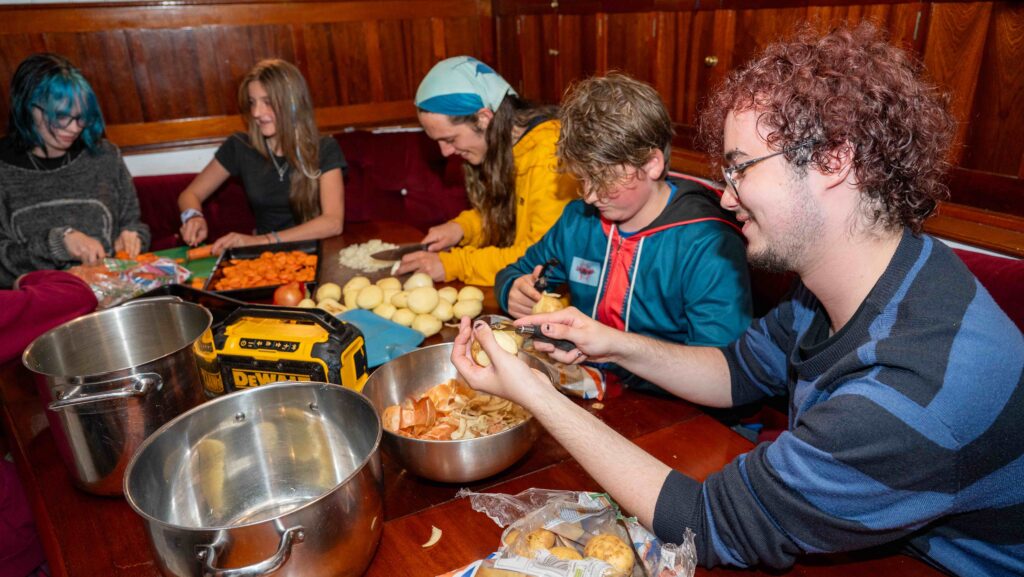
Aberdeen City Youth Services played a pivotal role in identifying young people who would benefit most. Their youth workers already had trusted relationships with young people facing barriers, those at risk of disengagement, those lacking confidence, those who had never considered a sailing experience. Because of that trust, they could encourage participation in a way no external organisation could.
Port of Aberdeen brought a different kind of reach. With strong corporate and community networks, they amplified the opportunity through channels ASTO and its members would never normally access. Their communications team helped shift perceptions locally, positioning sail training not as a niche activity but as a credible, exciting development opportunity.
Meanwhile, Aberdeen ABZ worked closely with employability teams to target young people on the cusp of leaving education or training. They framed the voyage as a stepping stone to work readiness, an approach that resonated strongly with young people who might otherwise have dismissed it as ‘not for them’.
Why no single organisation can do it alone
Each organisation brought something different: reach, credibility, specialist knowledge or operational capability. None could have achieved the same impact alone.
Collaboration is powerful, but it isn’t effortless. Aberdeen’s partners had to navigate different referral criteria, different communication styles and different organisational cultures. Some young people were hesitant, and it took the reassurance of trusted adults to help them take the first step. Logistics, from transport to parental engagement, required constant coordination.
The result was not just a successful programme, but a model future host ports can build on, demonstrating how effective collaboration can evolve from a one-off success into a scalable, repeatable approach.
What happens after the voyage ends
One participant described the experience as ‘life‑changing’. “One thing that really stood out to me was the amount of personal growth that came from this experience. Life on the boat pushed me out of my comfort zone in the best way possible, whether it was climbing the rigging, facing the harsh ocean, or speaking and relying on new people. The feeling of accomplishment that came with the experience will stay with me forever. I would 100 per cent recommend the experience to anyone who would listen. I loved that you didn’t need to be an experienced sailor, you just needed to be open-minded and ready to learn. It was a once in a lifetime experience that taught me so many things.”
The engagement model developed in Aberdeen is now being considered for future Tall Ships host ports. It showed that when organisations pool their networks, knowledge and trust, they create something that lasts far beyond a single event.
True partnership in sail training is not a referral form or a logo on a poster, it is joint planning, shared responsibility and a willingness to adapt around the needs of young people. When sail training organisations, youth services and community partners work together successfully, we reach young people who would never otherwise step aboard, and we leave a legacy that continues to benefit communities long after the sails are lowered.