Volvo Penta to launch IPS Hybrid yacht propulsion system
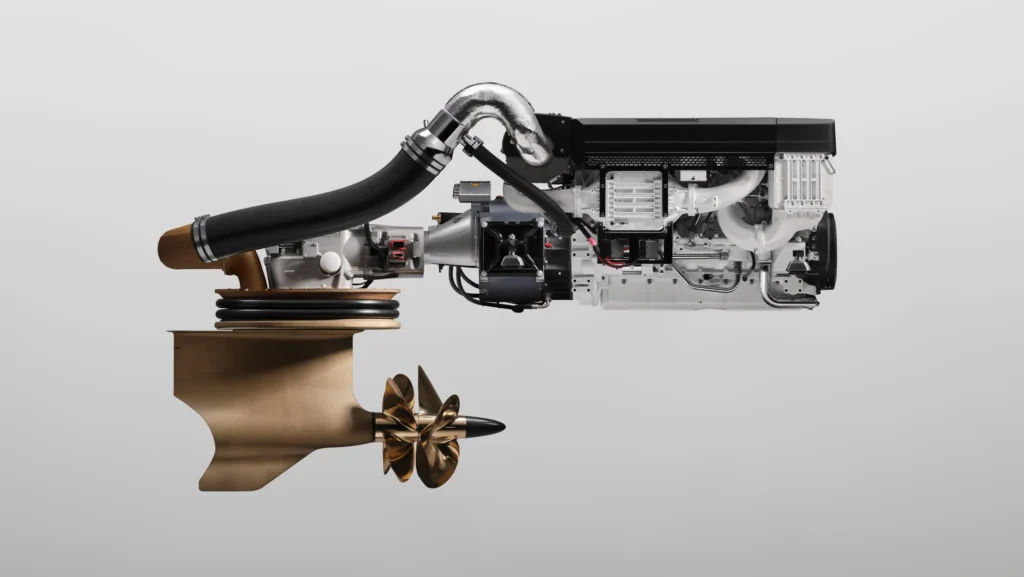
Volvo Penta has revealed details of a new D13 IPS Hybrid yacht propulsion system that it plans to introduce later in 2026. The integrated hybrid-electric platform combines propulsion, electric motors, batteries, energy management and controls within a single system based on the company’s Volvo Penta IPS technology.
Volvo Penta says the D13 IPS Hybrid offers electric, hybrid and crossover operating modes for yachts. The Swedish firm says the new system is intended to reduce onboard noise and vibration during low-speed manoeuvring, docking and anchoring, while also simplifying installation and operation for builders, designers, owners and captains.
“Our new Volvo Penta D13 IPS Hybrid is a complete helm-to-propeller marine solution,” says Hanna Ljungqvist, president of Volvo Penta’s marine business. “By delivering a fully integrated package with one point of responsibility, we simplify everything from design and installation to operation and service, while elevating onboard comfort and performance.”
The system allows yachts to operate in pure electric mode at low speeds and while docking. High-capacity batteries can also supply onboard amenities without requiring a generator while at anchor. Volvo Penta says the system is compatible with HVO100 renewable paraffinic fuel, which can reduce emissions by up to 90 per cent compared to conventional diesel.
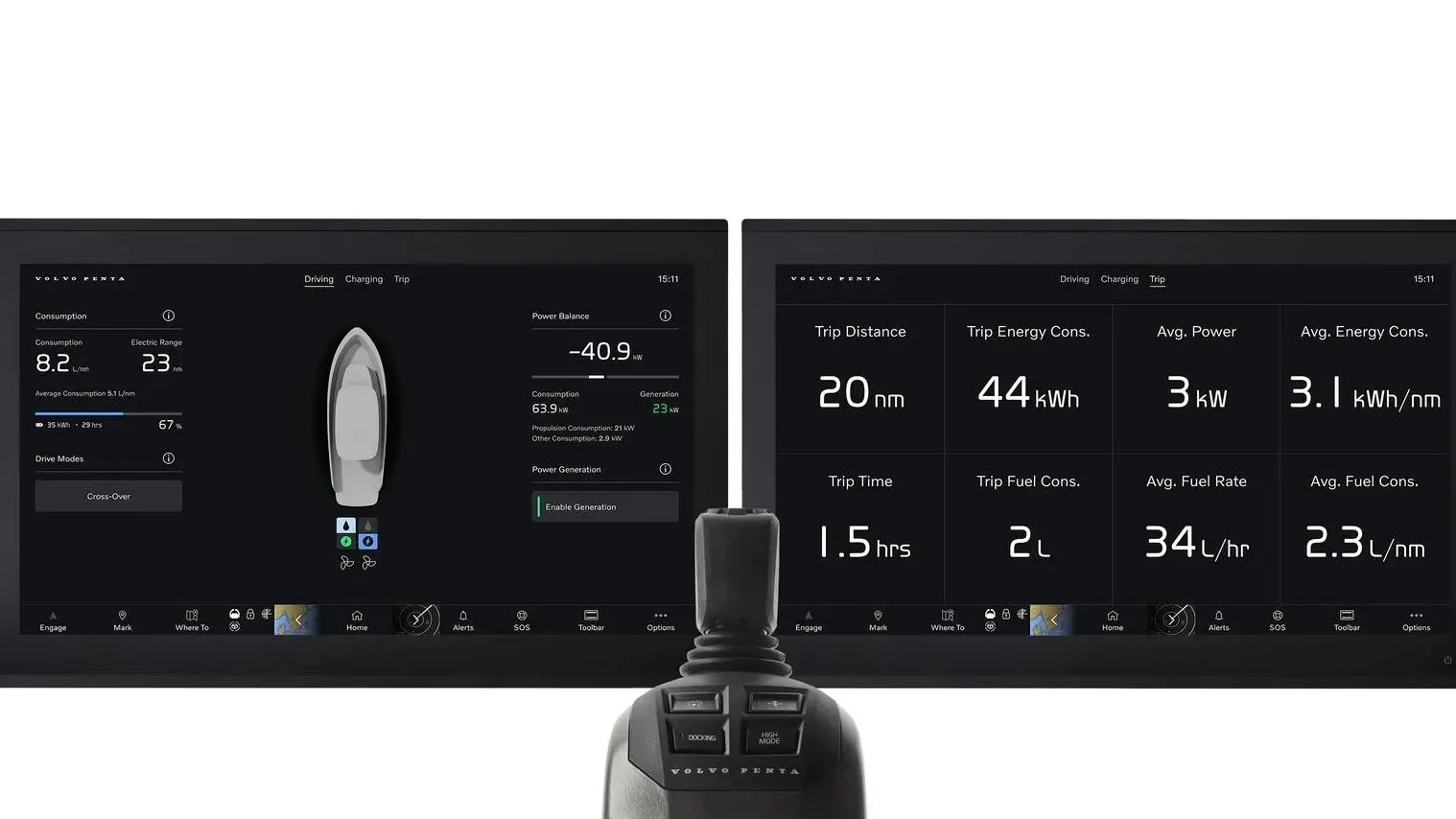
The propulsion package includes an aftertreatment system compliant with IMO III emissions standards. Components are connected through Volvo Penta’s Electronic Vessel Control (EVC) system.
Build integration and vessel layout
For yacht builders and designers, the company’s approach brings together propulsion, batteries, energy management and controls within a single package. Volvo Penta says this can simplify project coordination and reduce integration complexity during construction.
Nicola Pomi, vice president of yacht and superyacht sales at Volvo Penta, says: “By working as a single partner across the full system, we can support customers from initial design through installation and operation. This level of co-engineering and collaboration enables more efficient builds, optimised performance and greater flexibility in yacht design.”
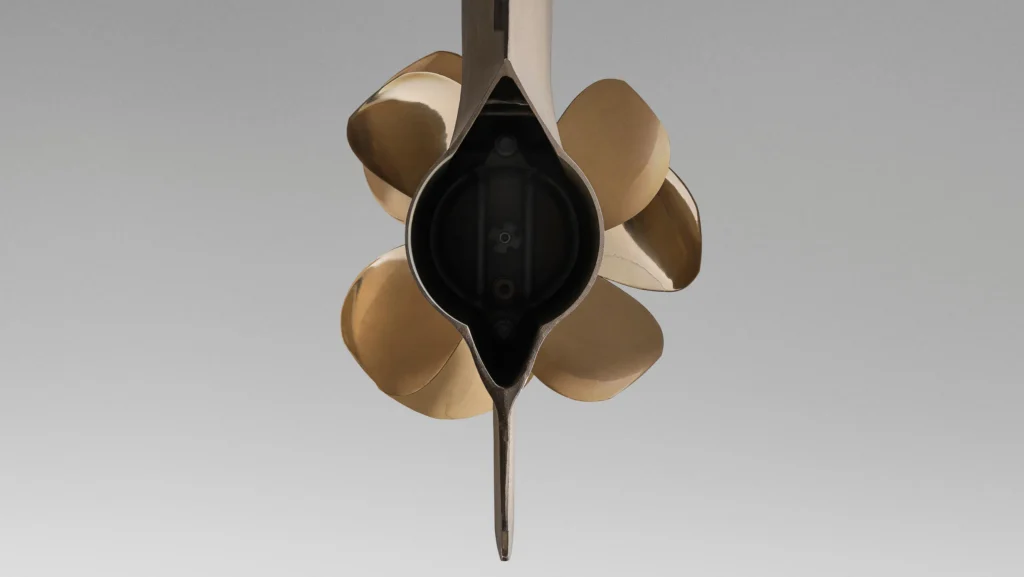
The standard Volvo Penta IPS footprint is intended to simplify installation by removing the need for shaft alignment. According to the company, the configuration may also provide greater flexibility for engine-room layouts and onboard space planning.
Volvo Penta says early-stage collaboration with builders can support hull and propulsion integration during the design and production process.
Service network and technical details
Volvo Penta states that responsibility for the full propulsion package remains with a single supplier, covering service and support. Its global service network continues to provide access to technicians and diagnostic support for vessels operating in different regions.
Read the latest stories on Volvo Penta.
“This is about delivering peace of mind as much as performance,” adds Pomi. “With one partner standing behind the entire system, our customers can focus on enjoying their time on the water, knowing they have access to expert support every step of the way.”
The company also says the electric operating mode may support access to areas with stricter emissions requirements or environmentally sensitive locations.
The D13 IPS Hybrid package includes propulsion power options from IPS900 to IPS1350, ranging from 515kW to 735kW. Electric propulsion output is rated at 160kW. Charging capacity is listed at 43kW AC, 215kW DC and 250kW in generator mode.
Battery options include 147kWh and 221kWh packs using lithium iron phosphate chemistry. The system is compliant with IMO II/III and EPA Tier 3 standards.