How D-Marin is connecting its growing marina network
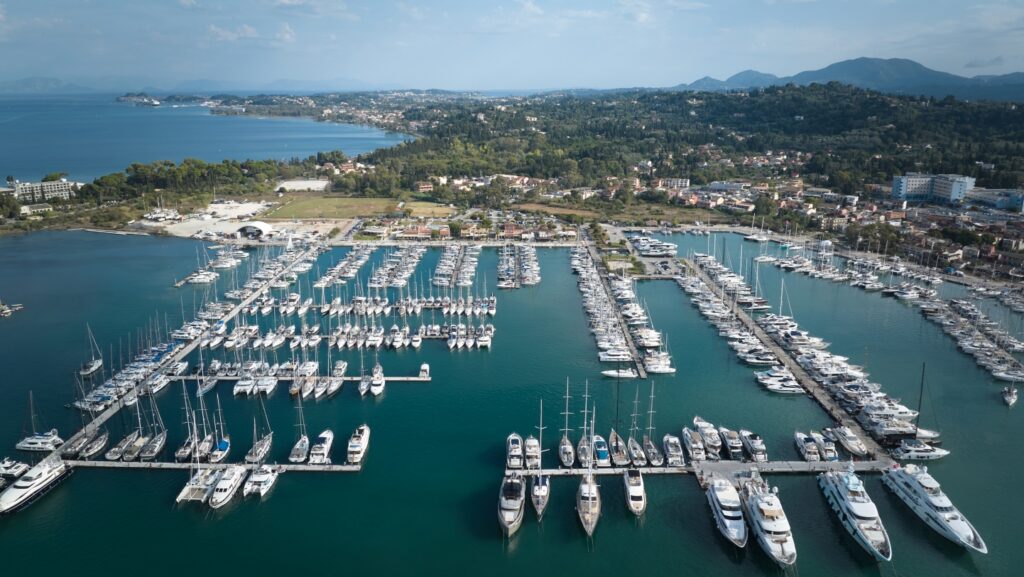
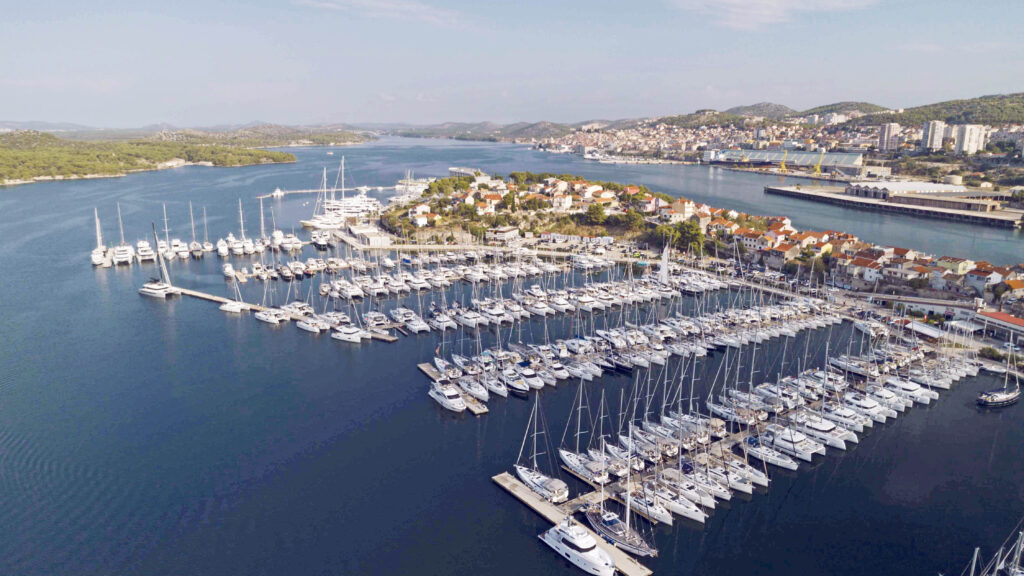 D-Marin Mandalina
For a marina group expanding across multiple countries, buying the property may be the easy part. The harder task is bringing different software, infrastructure, operating practices and people into a common system without stripping away the local knowledge that makes each marina work.
With 28 marinas across nine territories, D-Marin has had to build its own operating platform, develop common infrastructure and create processes for bringing very different properties into a single network. The result is an approach that aims to standardise the business behind the scenes while leaving customers with a distinctly local marina experience.
MIN sits down with Dean Smith – CCO – to discuss how it all comes together.
Keeping local character within a global marina network
“We don’t want to McDonald’s-ise our marinas and have the same colour and same treatment of everything,” Smith states. “We want to keep the local flavour.”
Keeping that flavour, D-Marin’s model is based on separating what it considers essential group-wide standards from the local characteristics of individual marinas. Country managers and local teams remain responsible for understanding the language, law and business culture of their markets, while common standards govern areas such as health and safety, operations and other core processes.
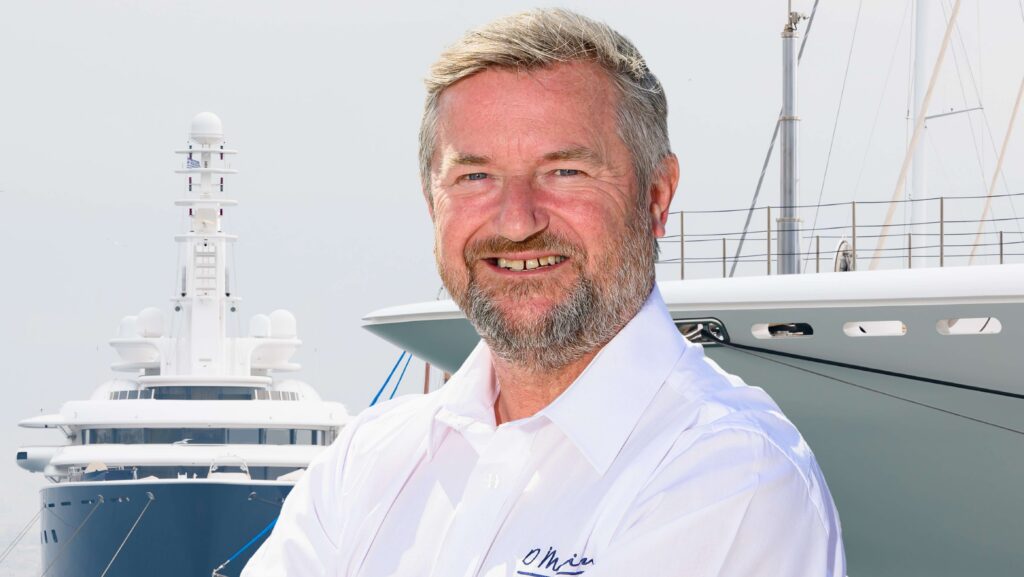
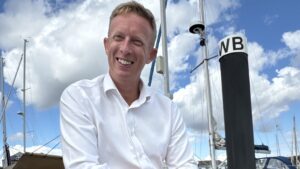
“It’s a global approach with a local focus,” says Smith (pictured).
“We want to understand how these businesses work best in their own regions. But it’s within a structured platform approach for things like health and safety.”
And as he points out, it’s a necessary for the customer experience as “having lots of independent little businesses around the place is just a collection of independent little businesses” rather than a collective experience of standards which customers rightly expect from a premium marina group.
That standardisation is supported by a formal integration process. New properties are assessed during acquisition and then brought into the D-Marin operating model through dedicated integration resources, staff training and visits between properties. The company has documented its processes in a 150-chapter D-Marin Way covering areas including sewage, desalination, accounting and the aforementioned health and safety.
The hidden technology behind the scenes of marina consolidation
Sitting behind the integration is a tech platform which the company’s built specifically to aid its geographic expansion: independently operated businesses could not easily share systems, data or customer relationships across different territories.
The platform’s development was essentially phase one of the company’s growth strategy which Smith detailed with MIN. He says D-Marin built it because there wasn’t any software in the market that could do what the company needed.
New properties are now brought onto the group’s common software and operating infrastructure, legacy systems replaced or integrated and existing data imported and shared.
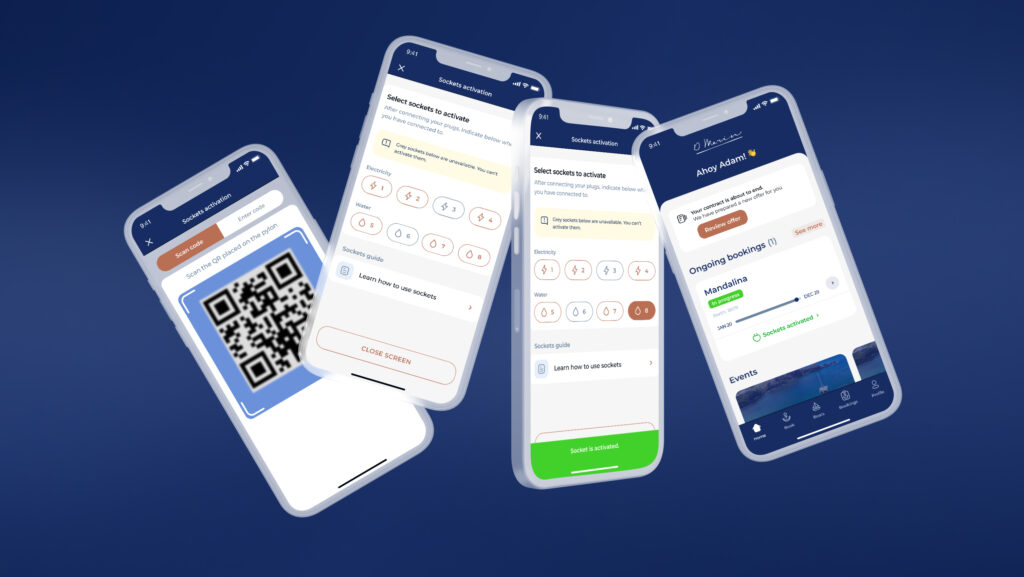
Adoption of marina technology via D-Marin’s app (controlling a myriad of resources including sensors) has not been a significant barrier for customers, with boat owners already accustomed to managing assets through smartphones and apps, says Smith.
But there’s more than the tech platform, there’s infrastructure too.
Customer facing technology consolidated with innovation
One of the challenges that the group faces is upgrading infrastructure at acquired properties. Smith estimates that bringing an acquired marina fully up to speed takes one to two years, with a significant part of that time required to remove existing electrical infrastructure and replace it with new, app-connected systems.
The company’s innovated infrastructure in order to expedite this. Smith notes that there is no single international standard for pedestal software, leading D-Marin to develop its own pedestal design and associated electronics.
So the company developed its own spec and defined the technical requirements. The resulting pedestal is assembled through a number of suppliers whom provide the moulded pedestal, supply and fit the LED lighting, and install the electrical components needed to connect to D-Marin’s systems.
Sens4Boat acquisition supports 10,000-sensor rollout
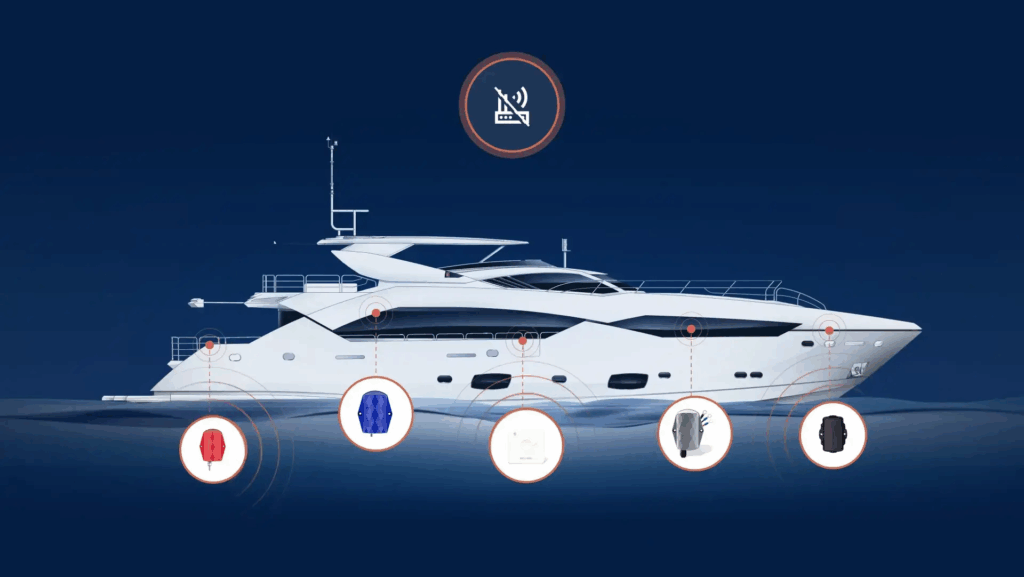
D-Marin has also used acquisition to accelerate its technology programme, like with Sens4Boat, a Croatian company it bought in 2022. Sens4Boat had previously installed systems on around 500 to 700 boats, and D-Marin acquired the business to support a planned rollout of 10,000 sensors to help improve safety and convenience for customers. Annual berth holders receive a package of sensors including bilge, heat, smoke, GPS and entry monitoring. (The system can be configured by the boat owner, with sensors connected to the marina’s local network. Alerts are sent both to the owner and the marina’s dockmasters, allowing staff on site to respond when an incident occurs.)
Smith says the Sens4Boat acquisition was driven by the complementary scale and resources of the two businesses. Sens4Boat had developed the technology and platform to transmit alarms across multiple territories but remained a small business. D-Marin’s marina network provides locations, storage and operational resources that can support a much larger rollout.
Using specialist partners rather than doing everything in-house
D-Marin’s overall approach is now based on maintaining focus and using specialist partners rather than attempting to operate every aspect of the boating business itself. Expanding into areas outside a company’s core expertise could dilute management focus and weaken performance in the areas where the business already excels.
“We are absolutely advocates for playing to our strengths,” Smith says.
This ethos spans all sorts of specialist operators, for example restaurants and boatyard services.
“We would rather get a great restaurateur to run one of our restaurants than try and do it ourselves because we’re not restaurateurs, we’re marina operators,” Smith says.
The same principle applies to technical boatyard services. “We want the very best boatyard services companies to partner with us to do it really, really, really well,” Smith says.
As such, D-Marin can provide scale, customers and commercial support, while specialist partners provide the technical expertise.
D-Tech targets the fragmented boatyard services market
The latest specialist partner programme is D-Tech. That’s being developed to expand the range of boatyard services available to customers. Smith says the group’s core boatyard operation is relatively straightforward, covering services such as lifting, pressure washing, storage and relaunching. However, the availability of specialist services varies between properties.
And, with the fragmented nature of marine equipment and servicing a particular challenge for independent boat owners with vessels requiring different fittings, shackles, fuses and other components, it can be challenging to find the right specialist at every marina.
D-Tech is therefore intended to simplify this process by sourcing the appropriate equipment and services, with D-Marin seeking to provide greater transparency around what is being supplied and to offer a warranty. Smith says the proposition is aimed particularly at owners of boats in the 10 to 16m range, for whom there are relatively few companies offering this type of service across the marina network.
Building infrastructure for the superyacht market
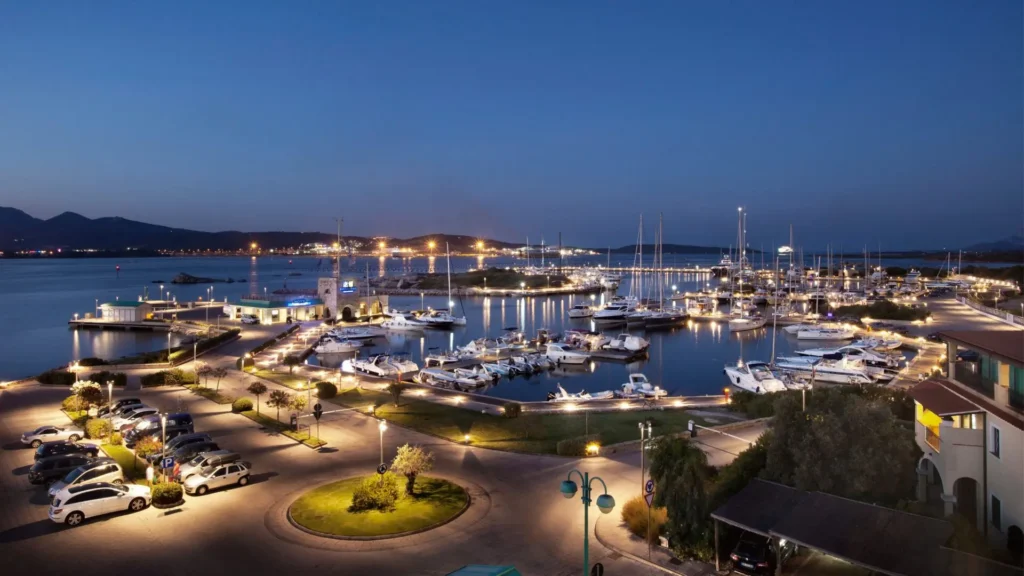
The company’s also expanded its superyacht offering following the acquisition of a marina in Olbia, Sardinia (June 2026), where it is developing a dedicated superyacht dock around two to three kilometres from the existing property.
Superyachts currently account for around 1,000 of the company’s approximately 14,000 boats. Smith says there is no intent to prioritise superyachts at the expense of its wider customer base, but recognises that larger yachts have different infrastructure and service requirements. D-Marin will therefore design and develop infrastructure specifically to accommodate them where required.
The customer relationship also differs by yacht size, he says. While smaller yachts are generally dealt with through their private owners, larger yachts are more commonly managed through captains and management companies. The commercial approach is therefore adapted when dealing with the business-to-business relationships associated with superyachts.