Watersports participation hits new high across UK, survey reveals
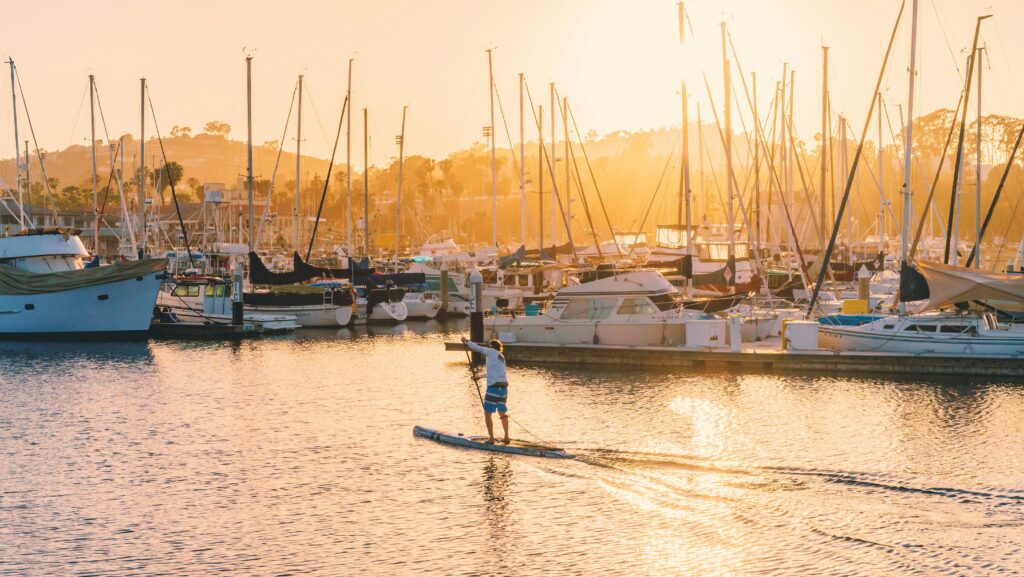 Latest Watersports Participation Survey reveals rising demand for watersports across UK
According to the latest Watersports Participation Survey, more than three-quarters of UK adults took part in at least one watersport or coastal activity in 2025 – from its survey sample of around 12,000.
The survey highlights continued growth across the sector and strong public demand for spending time on or near the water, and found that 77 per cent of respondents participated in at least one watersport or coastal activity during the year, while 80 per cent said they would like to take part more often in the future.
It’s important to note that the data should be interpreted to understand relative participation patterns and trends, rather than definitive population totals (the latter would put around 55m people in the water).
Beach visits, coastal walking and outdoor swimming were among the most popular activities people hope to enjoy.
Paddlesports, sailing, manual watersports and fishing see growth
The findings point to sustained growth across a range of activities, with paddlesports emerging as one of the fastest-growing categories. Participation in canoeing, kayaking and paddleboarding increased from 18 per cent in 2023 to 24 per cent in 2025. Paddleboards have become the most commonly owned type of watercraft.
Outdoor swimming also reached its highest recorded participation level, reflecting growing interest in health, wellbeing and year-round access to blue spaces. Sailing participation rose to 13 per cent of adults surveyed, and manual watersports increased to 27 per cent. The survey also recorded continued growth in angling participation.
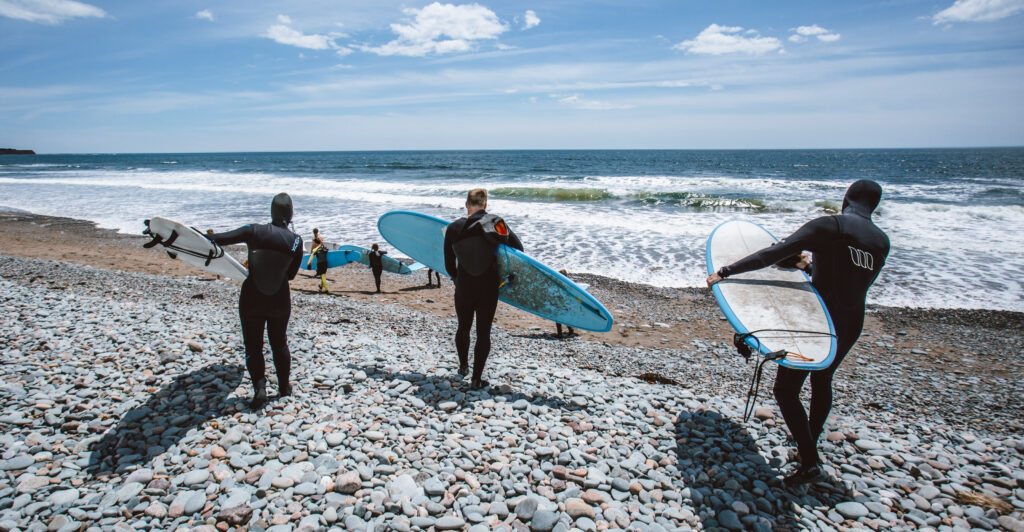
Young adults drive watersports participation
The most active demographic continues to be young adults with 82 per cent of those aged 16 to 34 taking part in watersports or coastal activities during 2025. The same age group also expressed the strongest interest in increasing their participation, suggesting further opportunities for clubs, training providers and marine businesses to attract new participants.
Respondents highlighted relaxation, spending time in nature, physical activity and socialising with friends and family as the main motivations for taking part. Most activities were undertaken close to home, making use of local beaches, rivers, lakes and coastal areas.
Brian Clark, member services director at British Marine, said the findings underline the wider benefits of participation for both society and the marine economy.
Clark comments: “As the summer holidays begin, these findings are a timely reminder of the positive role watersports play in helping people stay active, improve wellbeing and spend quality time together outdoors.
“Growing participation either on our inland waterways or on the coast is also good news for the UK’s marine industry, supporting thousands of businesses, skilled jobs and communities, while helping more people discover the lifelong benefits of spending time on the water.”
Water safety remains a priority
The watersports survey also highlighted the importance of water safety. More than half of participants reported receiving formal training, rising to 68 per cent among sailors, with trained participants demonstrating more awareness of safety guidance and confidence on the water.
Recognition of emergency advice has also improved, with the RNLI remaining the most recognised source of water safety information. However, nearly one in ten participants reported experiencing difficulty in open water, an increase since 2023.
Tony Wafer, RNLI senior water safety partner, on behalf of the Watersports Participation Consortium, emphasises: “As participation continues to grow, it is vital that people have access to clear safety advice, appropriate training and welcoming opportunities that help them enjoy the water safely and confidently.”
View the full findings of the Watersports Participation Survey here.