Sustainability investment outpaces customer demand, says Williams Jet Tenders
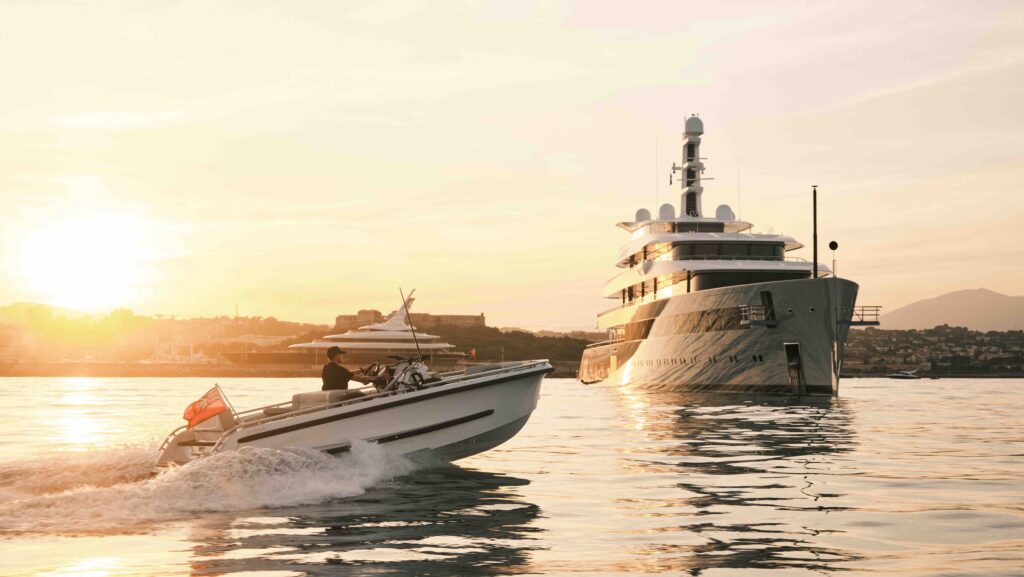 Evene Tender. Image courtesy of Williams Jet Tenders
Despite increasing discussion around future regulation and continued investment in greener technologies, sustainability remains a relatively low priority for many superyacht buyers. That’s according to Mathew Hornsby, chief commercial officer at Williams Jet Tenders.
“We launched a fully electric tender, the EvoJet 70e, as a technology demonstrator. However, market response was more muted than expected,” says Hornsby, who attributes this to the challenges of integrating electric tenders into superyacht architecture and limited end-customer demand.
Sustainability still remains a priority for Williams
But Williams Jet Tenders has continued to invest in sustainable product development despite softer-than-expected market demand.
In 2024, the company launched the EvoJet 70e electric tender. A year later it introduced Evene Tenders, a new superyacht tender brand designed with sustainability considerations alongside performance.
The company says the new tenders brand has been well received by shipyards, despite sustainability remaining a secondary consideration for many buyers.

It launched in 2025, combining sustainability-focused features such as eco-upholstery, cork decking and HVO100 fuel compatibility with performance enhancements. Hornsby says the first model in the range, the Origin Series, has been “well received, particularly with shipyards”.
But while the Origin Series has attracted interest from shipyards, Hornsby says sustainability credentials have remained “a relatively low priority for end consumers”.
US and Europe continue to shape demand
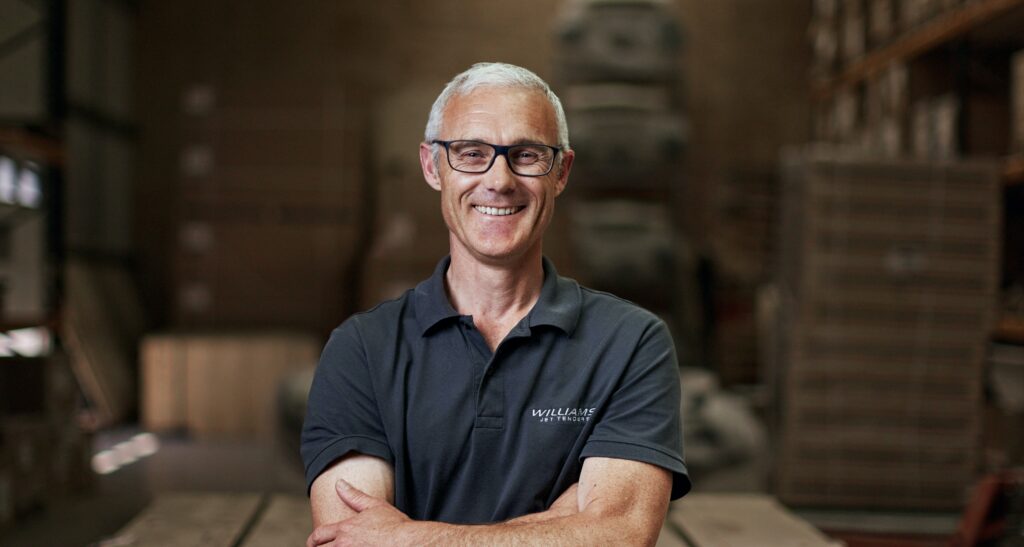
Hornsby says that: “The US remains our largest and most influential market, offering significant growth potential.”
Europe also remains important to product development, with feedback from leading shipyards helping shape future models.
Williams Jet Tenders is also monitoring developments in China and the country’s growing influence in automotive manufacturing to understand how that could affect the future direction of the yachting sector.

Success depends on developing products that meet market needs while balancing competing customer requirements. He notes that trade-offs are often necessary, but are generally accepted when expectations are clearly communicated.
Building talent beyond traditional boatbuilding
Like many marine businesses, Williams Jet Tenders faces recruitment challenges, particularly at its Oxfordshire manufacturing facility where experienced boatbuilding talent can be difficult to source.
Rather than relying solely on marine-sector recruitment, the company recruits from industries including the armed forces and automotive sectors. Information about careers is available on its website.
Hornsby says these employees bring transferable skills, different perspectives and new approaches that strengthen the business.
Williams Jet Tenders has also invested heavily in developing talent internally through its apprenticeship programme, which has been running since 2013.
The company reports a 100 per cent retention rate among apprentices, with a number progressing into senior positions and receiving national and industry awards.
Hornsby argues that businesses should adopt a broader approach to recruitment by focusing on long-term potential rather than depending entirely on already-trained candidates.
But, he concludes, companies should not focus exclusively on future opportunities. “While the market landscape is constantly evolving and leadership teams are naturally focused on future opportunities, there is value in reflecting on past successes. Understanding what has worked well, and why, can help us better define our strengths, recalibrate our strategy, and confidently shape our path forward.”