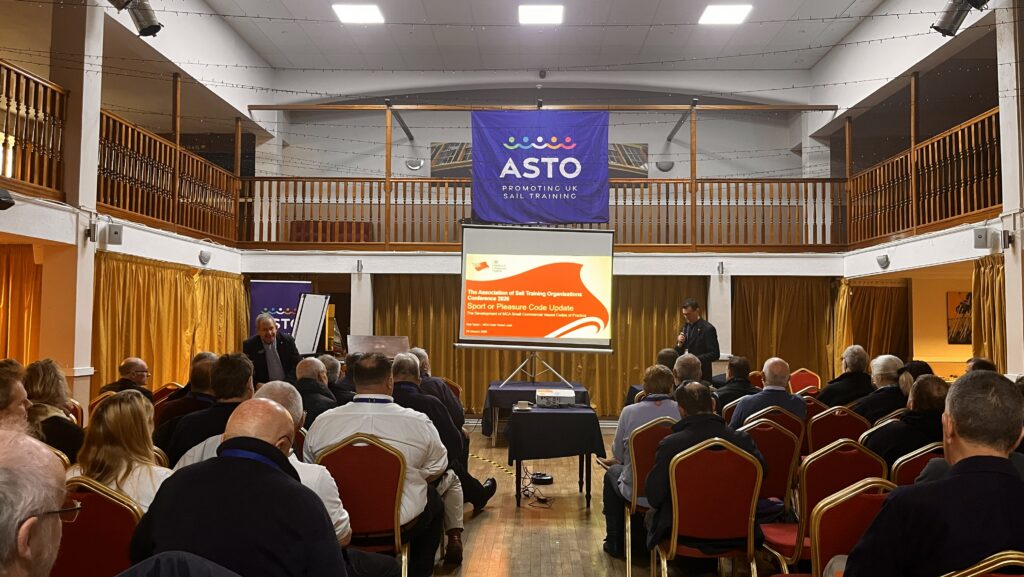
New report reviews impact of UK sail training sector
 The Spring 2026 Impact Review presents participation figures from ASTO member organisations
The UK sail training sector delivered more than 47,000 days at sea in 2025, according to a new review published by the Association of Sail Training Organisations (ASTO), which outlines the scale of activity across its member organisations.
ASTO’s Spring 2026 Impact Review reports that member organisations collectively delivered 1,334 voyages and 47,467 days at sea, with 10,684 participants supported.
ASTO represents more than 30 charitable organisations operating more than 60 vessels. Its members provide residential sail training programmes that combine practical seamanship with teamwork and shared responsibility at sea.
Kerry McMillan, chief executive of ASTO, says: “The need for sail training is increasing, particularly among young people who lack opportunities to build confidence and valuable life skills. This review demonstrates the scale of what the sector already delivers, and the importance of sustaining capacity across the UK fleet.”
The review is published as more than one million young people in the UK are estimated to be not in education, employment or training (NEET). According to ASTO, member organisations work with schools, charities and open-access programmes to provide access to structured skills development through sail training.
One case study featured in the review follows a participant identified as KB, who joined a voyage while experiencing mental health challenges and unstable accommodation. During the programme, he achieved 100 per cent attendance and completed six qualifications, including RYA Competent Crew.
With support from staff, KB moved into safer accommodation, secured part-time work and began managing his mental health more confidently. Nearly three years later, he is living independently and working full-time.
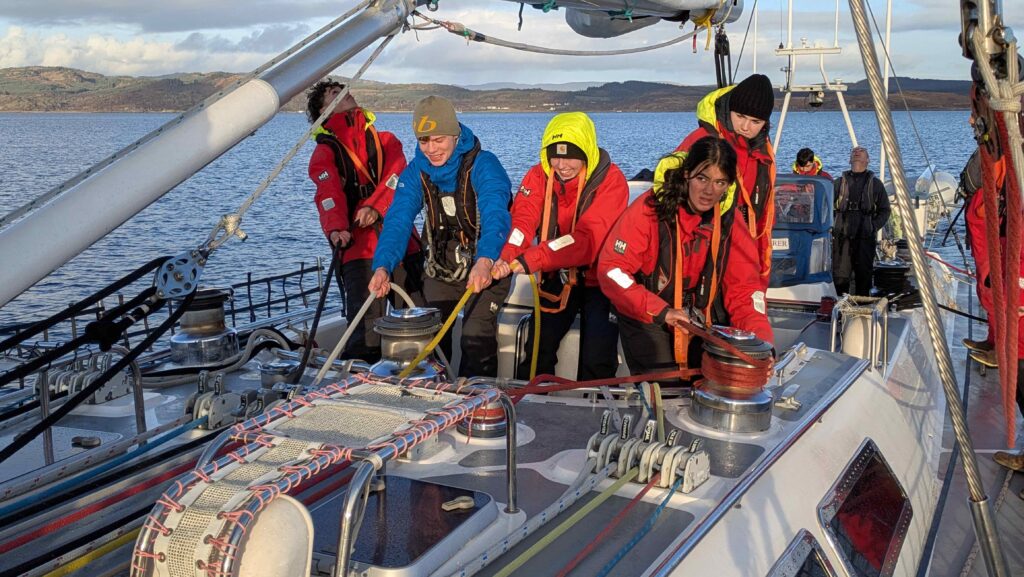
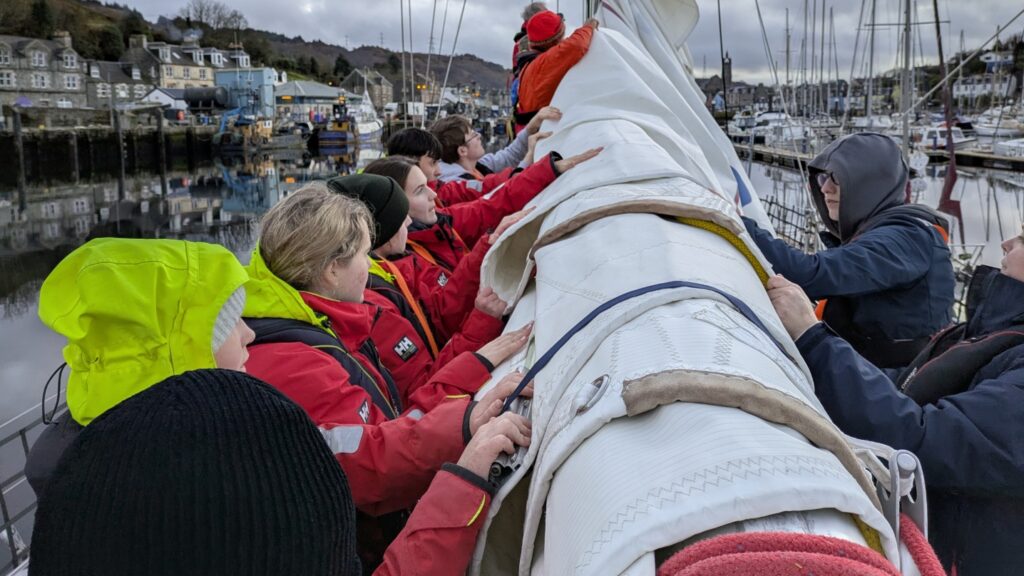
Participants take on operational roles on board, including setting sails, completing logbooks and steering the vessel. These responsibilities contribute to the safe operation of the ship while providing practical experience of teamwork in a working environment.
The review also examines the sector’s contribution to the wider maritime workforce, noting that some participants go on to pursue maritime careers. ASTO also provides training bursaries to support participants progressing into further qualifications.
Vice Admiral Sir Jerry Kyd KBE, president of ASTO, says: “As a life-long sailor and a career mariner myself, I know very well the power of the sea and the life-changing opportunities that come from being tested in this challenging environment.
“For so many young, disadvantaged and disabled people, sail training has given them an opportunity to experience something very different, and we know from direct evidence and experience that it improves their lives for the better, and, importantly, for the long-term. For young people facing mental health challenges, for those who struggle in traditional education settings, and for disabled people.”
The review also outlines ASTO’s work representing the sail training sector nationally through engagement with regulators, policymakers and other organisations on operational safety and long-term sustainability.
It identifies continuing challenges around capacity, resourcing and access, and calls for greater collaboration across the maritime, youth and policy sectors to expand access to sail training opportunities.
The full ASTO Spring 2026 Impact Review is available online.