
Digital first navigation training increases as paper charts withdrawn
 Traditional chartwork remains part of the syllabus as a backup navigation method
Sailing Course Online, an RYA-approved online theory training provider based at Hamble Point Marina, has revised its RYA Day Skipper theory course to include additional content covering electronic navigation, digital passage planning and the use of navigation software alongside traditional chartwork.
This comes as the Royal Yachting Association (RYA) continues its move to a ‘digital first’ training framework for its sailing courses, as paper charts are gradually phased out.
Under the RYA (which is the UK’s national governing body for dinghy, motor and sail cruising, sail racing, RIBs and sportsboats), electronic navigation tools are being taught as the primary method of navigation, while traditional chartwork remains part of the syllabus as a backup skill.
For training providers, ‘digital first’ affects both course structure and course content. Passage planning increasingly begins with digital navigation tools. Weather routing may involve GRIB files and forecast applications alongside conventional marine forecasts. Pilotage plans can be prepared and stored on tablets and other electronic devices rather than paper-based materials.
The transition also requires experienced sailors to adapt to different working practices. Many learned using paper charts and manual position plotting, techniques that remain familiar to generations of skippers.
Russell Lake, a member of the RYA Training Committee and principal of Sailing Course Online, says: “The move to ‘digital first’ reflects the reality of how sailors navigate today. When someone charters a yacht in the Mediterranean or sets off across the Channel, they’re using a chartplotter and a navigation app, not plotting fixes on a paper chart. Training has to prepare people for that reality.
“That doesn’t mean paper skills become irrelevant. Electronics need power, they need a satellite signal, and they can fail. Understanding chartwork gives you a safety net. But the emphasis in training should match the emphasis on the water, and for most sailors, that’s now digital.”

The provider has also partnered with Savvy Navvy, giving students access to the navigation application during their studies.
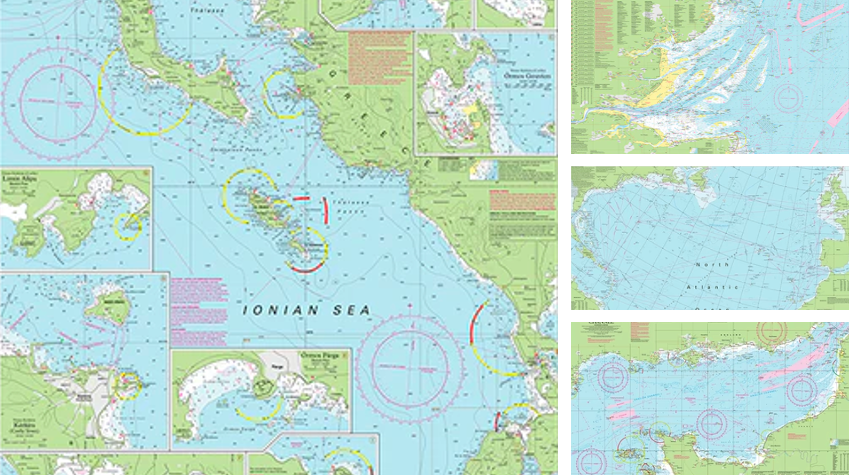
The news comes after storied nautical information publisher Imray announced in 2024 it would phase out its chart publishing, citing the growing trend toward digital navigation in the maritime sector. It also put its charts business up for sale at the same time, calling on potential buyers interested in preserving its legacy.
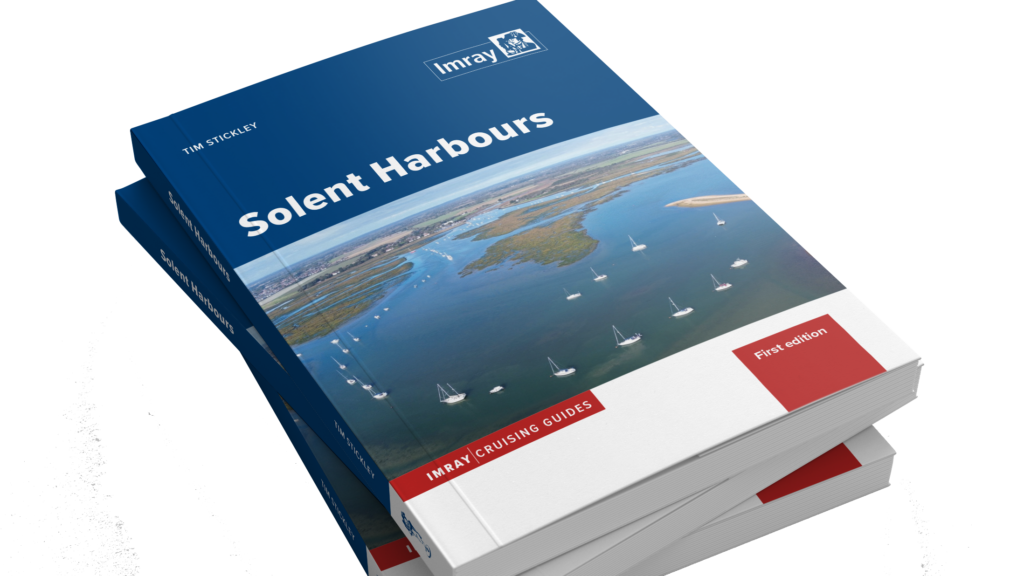
In 2025, Imray formed a joint venture with Austrian publisher Freytag and Berndt, ensuring it could continue producing and developing nautical charts, books and digital navigation products. The firm has released new cruising guides for 2026.
UKHO launches digital sailing directions
In separate news, the UK Hydrographic Office (UKHO) has this week launched Admiralty Digital Sailing Directions (ADSD), an interactive digital version of its established Sailing Directions publications for commercial mariners. The new format replaces static guides with a searchable, geo-enabled platform intended to support passage planning and improve situational awareness. ADSD provides the same compliant and authoritative Admiralty content while adding features such as geographic displays, coastal imagery, route visualisation, search tools and bookmarking.
UKHO says it is presenting ADSD as part of its wider programme to modernise navigation through digital services. At launch, ADSD includes the 38 most widely used volumes, covering major global trade routes and 27 of the world’s 30 busiest ports. The remaining volumes are expected to be released by the end of 2026 to complete worldwide coverage.
This article was amended on 16 June 2026 to clarify that the UKHO is no longer planning to withdraw its paper charts portfolio and is committed to providing paper charts for as long as they are needed. In addition, on 19 June 2026, the title and first paragraph were amended to reflect the fact that the RYA has been teaching digital skills on an ongoing basis and this is not a new change to practice.